Living with Lions in your Neighborhood
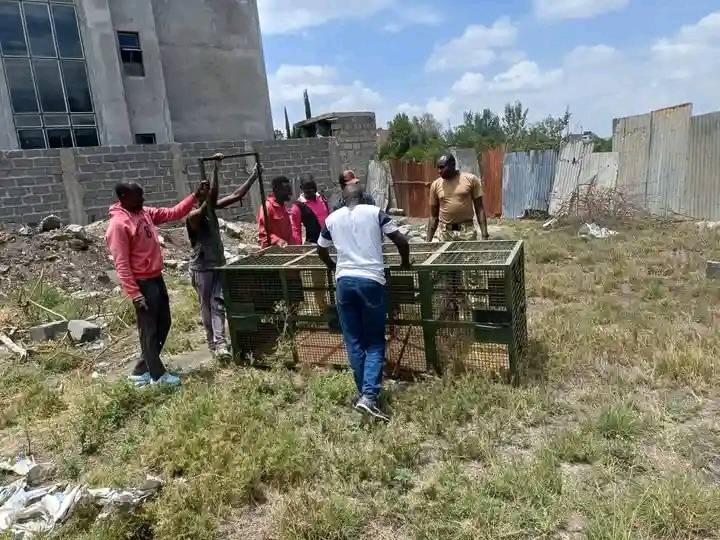
This recent incident shows the stark reality in Kenya. KWS officers have been camping in Kitengela near Nairobi National park to track down a stray lioness

Lion Entry Deterrent Systems (LEDs), colloquially called "Lion Lights", utilize flashing solar-powered LED lights.
These flashing lights imitate human presence by mimicking herders using torches at night to safeguard their livestock, creating a visual disturbance that discourages lions and other predators from entering the Massai bomas (cattle, goat and sheep enclosures), thereby enhancing safety for animals and humans especially in regions prone to lion encounters.
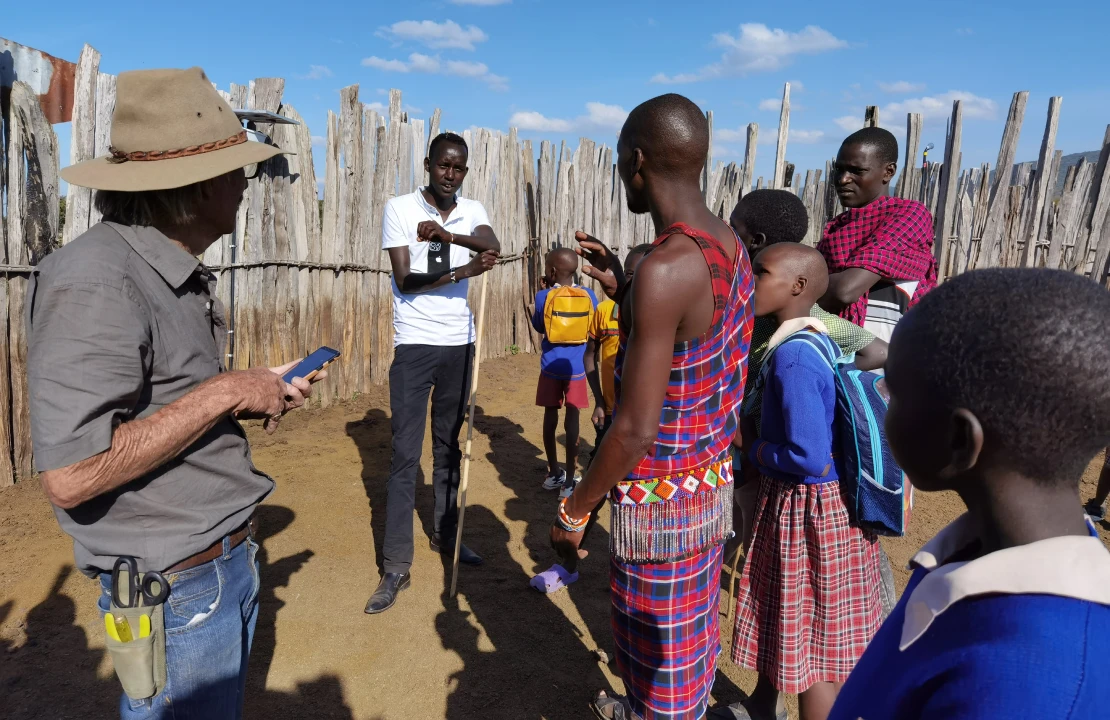
Despite their efforts to preserve their traditional Maasai culture, increasing urbanization and the designation of areas once used for grazing to national parks and reserves have significantly restricted their ability to freely herd cattle across expansive lands. As a result, the Maasai have increasingly shifted from their traditional nomadic pastoralism to a more sedentary lifestyle.
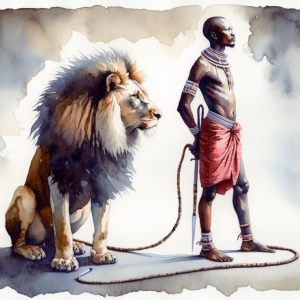
The reality how Massai live today is quite different from the past. They have evolved, and many aspects of their lifestyle, including lion hunting, have changed. Due to conservation efforts and changing attitudes, the traditional lion killing has become rare. The Maasai are now more involved in wildlife conservation projects, recognizing the importance of lions in the ecosystem and the tourist industry, which benefits their community.
The pastoralists living around Kenyas National parks are willing to tolerate this uneasy coexistence by leaving the remaining corridors open and giving up economic activities that are not in line with wildlife conservation, such as crop farming or keeping large herds of livestock, if both government and wildlife conservation organisations ramp up compensation processes for their losses while compensating them financially for protecting biodiversity.
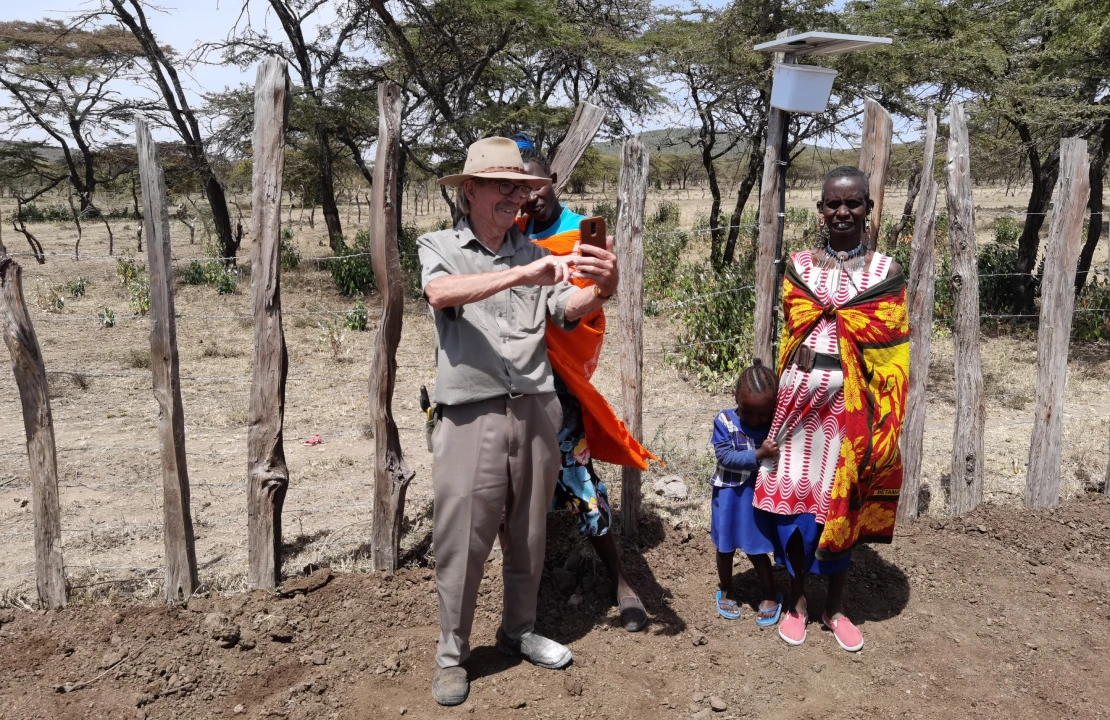
David Mascall's "Lion Lights" help to secure the bomas (Homesteads) around the park borders. One boma at a time.
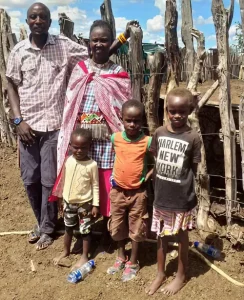
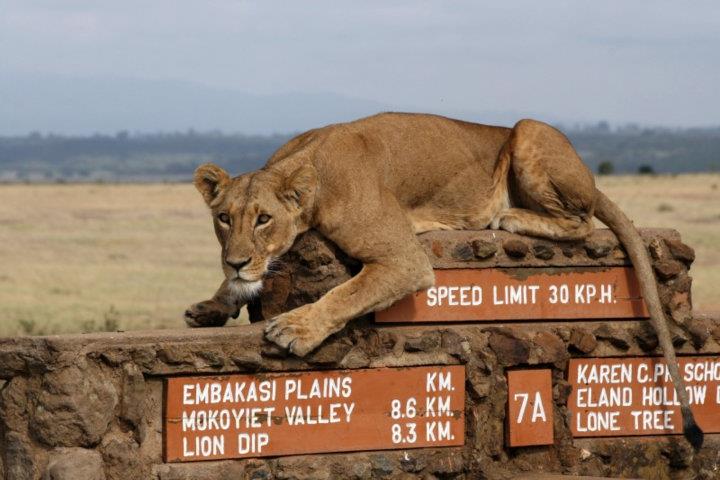
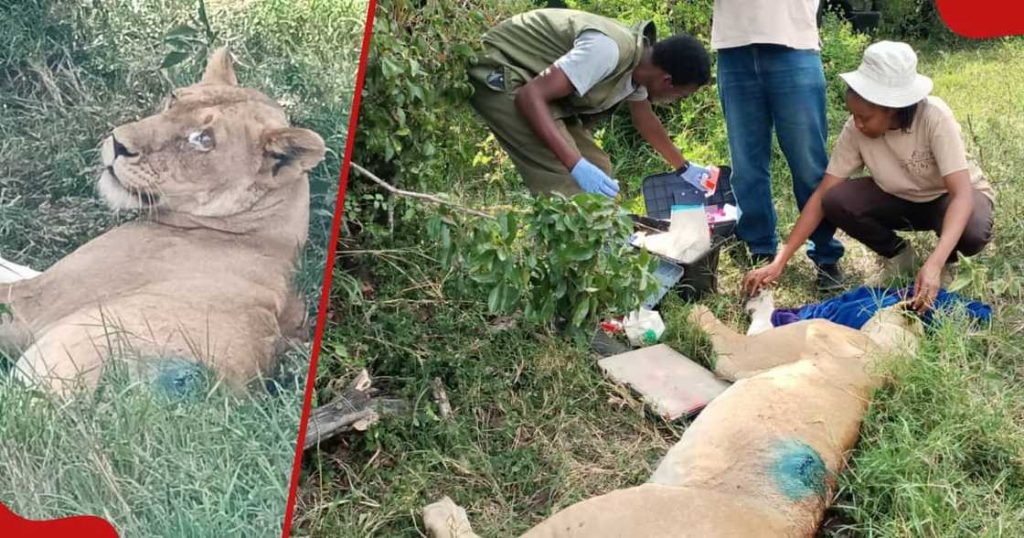
Retaliatory killing in its worst form is conducted using poison which can kill entire prides and a host of other species—from elephants to vultures to wild dogs, leopards and cheetah.
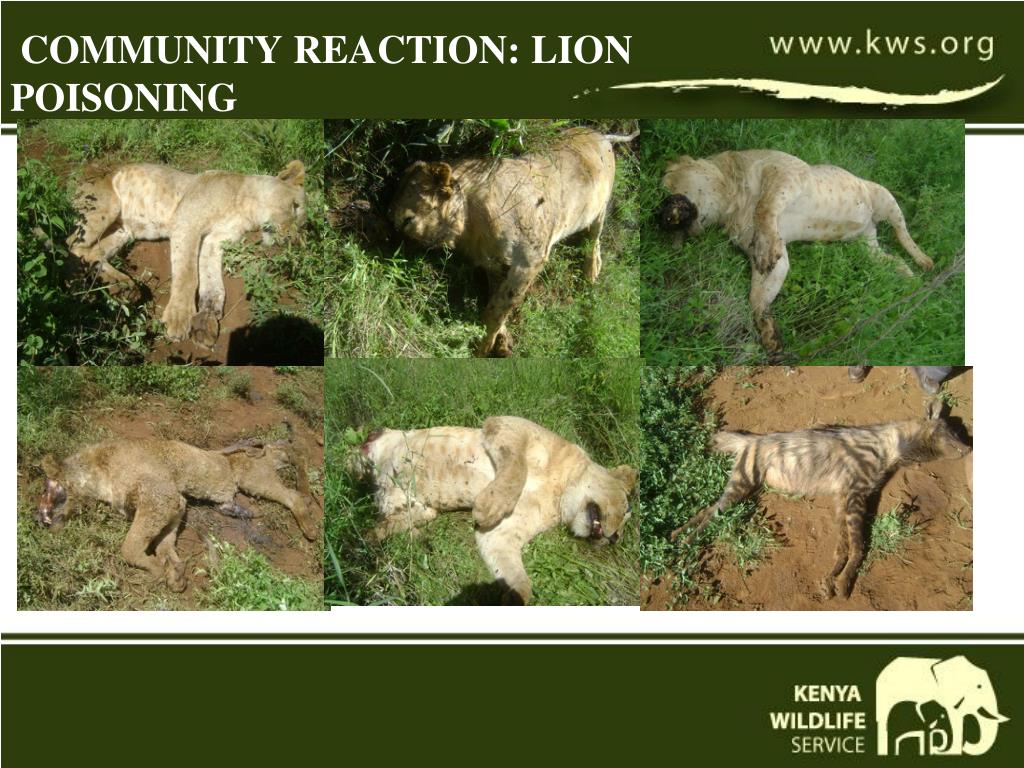
With rapidly growing human populations, there are increasing influxes of livestock and herders in search of better grazing within wildlife areas across Africa – resulting in more conflict between people and lions. Livestock also compete with wildlife for resources, causing declines in the wild prey lions depend on. In many cases influxes of herders are also associated with secondary problems such as elevated poaching. Many such movements of people into lion landscapes result in complete habitat loss due to conversion to agriculture and settlement.
There is also a threat in certain parts of Africa from the targeted poaching of lions for their body parts, such as skins, claws, teeth and bones.
Human settlement and development are gradually creating ever smaller and more isolated pockets of wilderness in which lions and their prey exist, making it challenging or impossible for lions to roam or disperse safely and restricting gene flow which leaves populations vulnerable to disease and other threats.
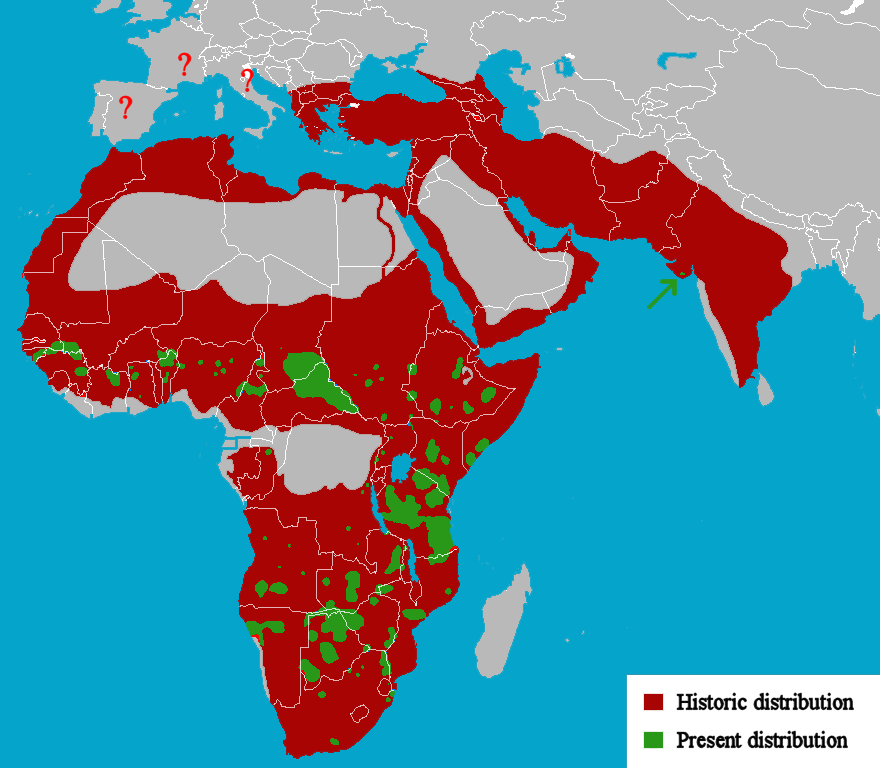
The Maasai are becoming farmers. One cause of shrinking predator habitats is human population growth. Over the past 50 years, Kenya’s population has tripled, bringing significant changes. In the Kenyan ecosystem, many Massai are shifting from traditional pastoralism to farming around the protected areas. Land is concerted into crops while still maintaining strong cultural and economic ties to cattle herding. This expansion of farming reduces natural habitats, leads to more elephant crop raiding, and decreases pasture land. As a result, many Massai now take their cattle into the national parks and reserves for grazing. Supporting livestock farmers with Light for Life's predator entry deterrent systems is a small, but important piece in the puzzle of predator conservation in Kenya.
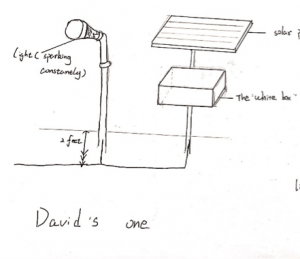
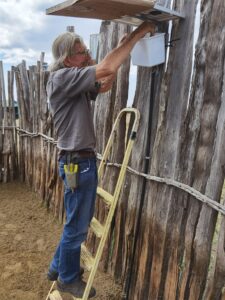
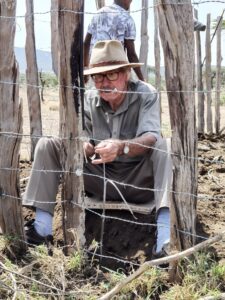
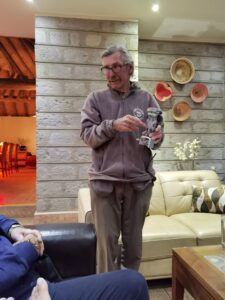
David Mascall, the renowned lion expert, has installed Lion lights for 1000 bomas since 2012. In his system there is a charge control unit in a white box regulating the power, which is charged by a solar panel on the top. All the lights are connected by a cable about two feet underground. Through this system the lights all flash simultaneously, and can be seen from three miles away. https://www.youtube.com/@Southerndreams-Wildlife
Watch this short video that shows David Mascall, founder of “Light for Life” and his fight against retaliated killings of Lions, Leopards and other predators. His light systems successfully protect Massai homesteads against attacks on livestock at night. A wonderful initiative to protect Africa’s remaining wild predators. Standup - Shoutout - info@suso.world
- http://suso.world/
Watch this short video that shows David Mascall, founder of “Light for Life” and his fight against retaliated killings of Lions, Leopards and other predators. His light systems successfully protect Massai homesteads against attacks on livestock at night. A wonderful initiative to protect Africa’s remaining wild predators.
Copyright Standup - Shoutout - info@suso.world - http://suso.world/
This documentary shows David Mascall, founder of "Light for Life" and his fight agains retaliated killings of Lions, Leopards and other predators. His light systems successfully protect Massai homesteads agains attacks on livestock at night. A wonderful initiative to protect Africa's remaining wild predators.
Producer: Andreas Knausenberger
Supported by:
Community Wildlife Fund
Sunworld Safaris Ltd.
Viewfinders EPZ Ltd.
Wildfocus Expeditions
www.community-wildlife.org
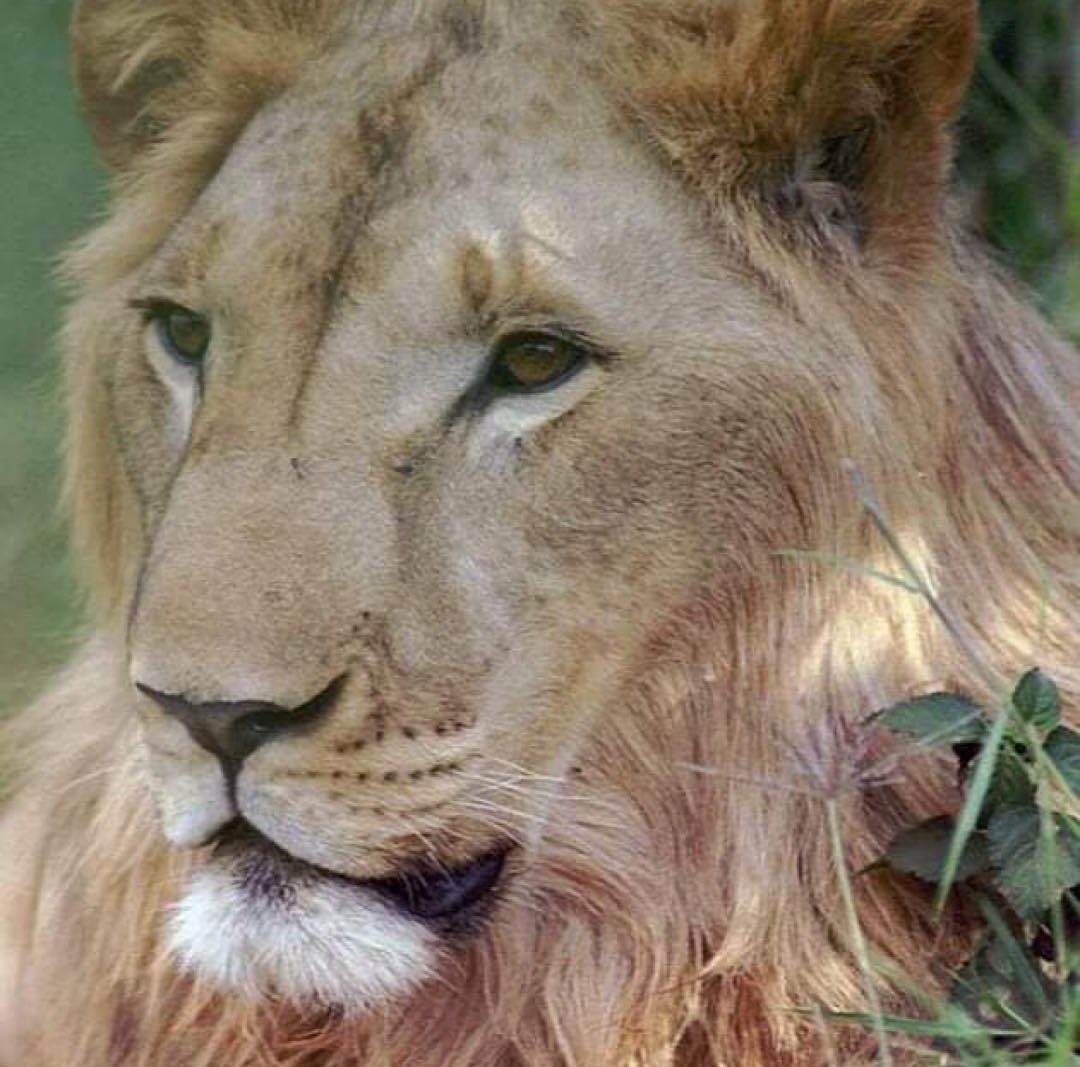
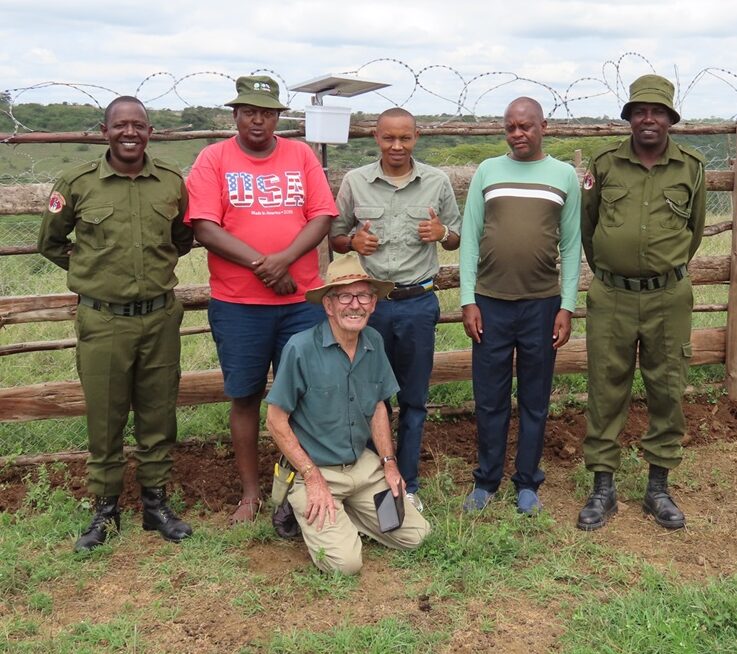
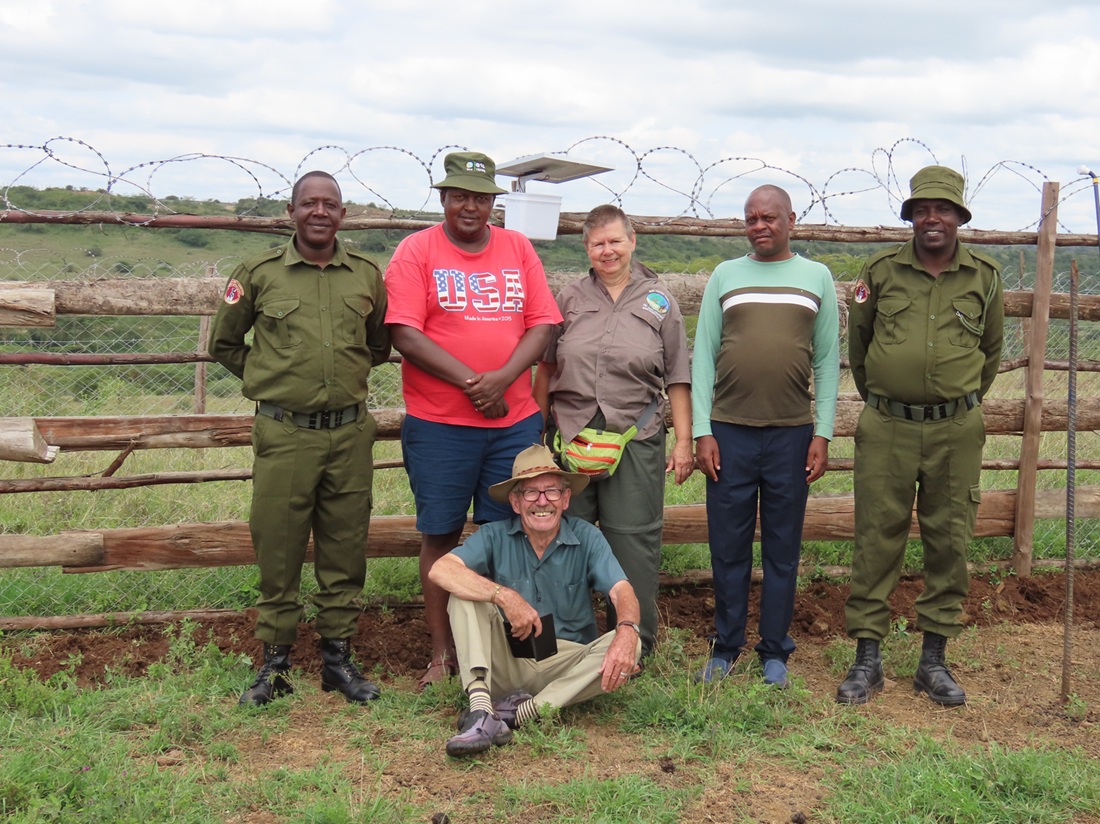
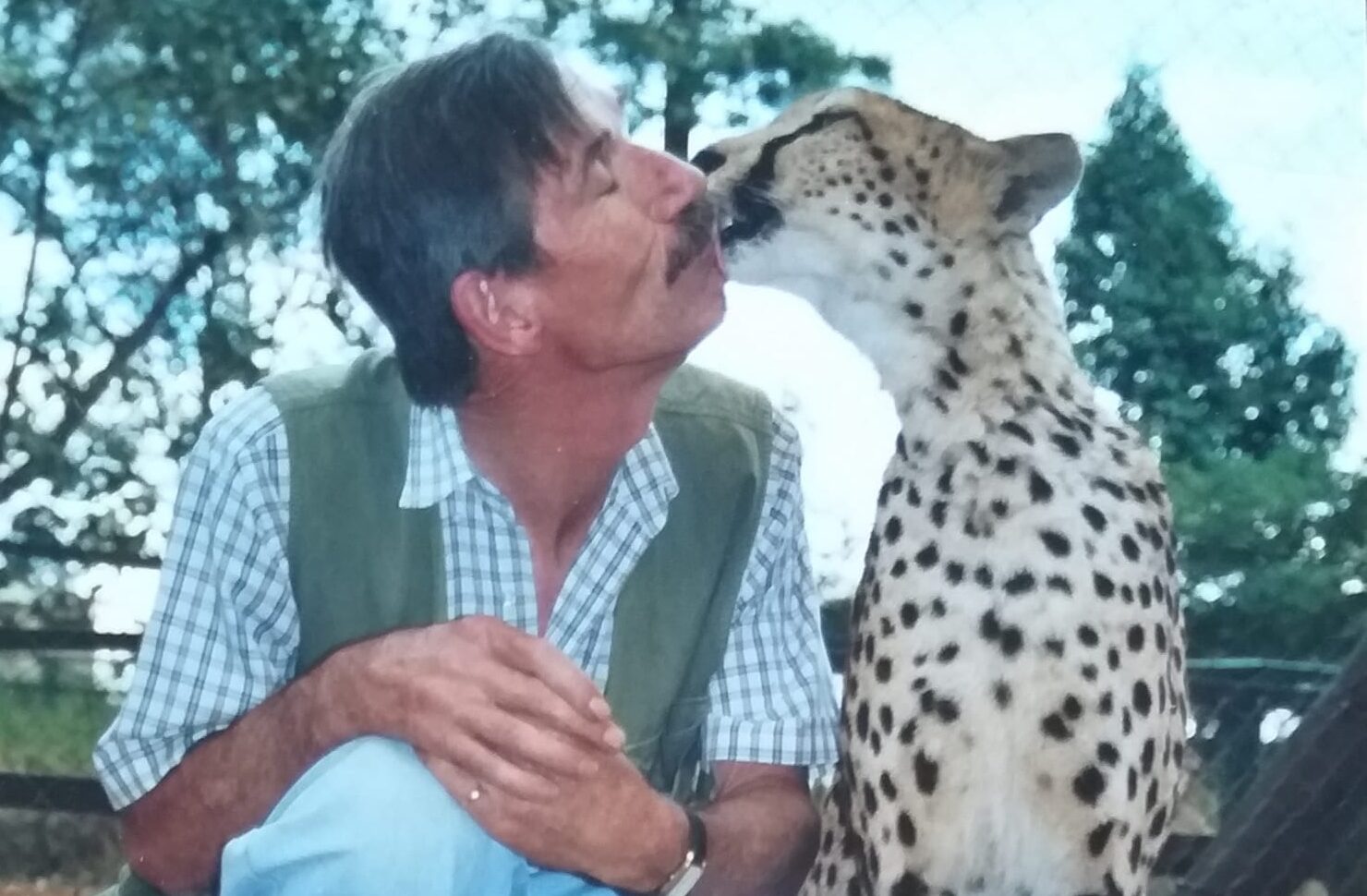
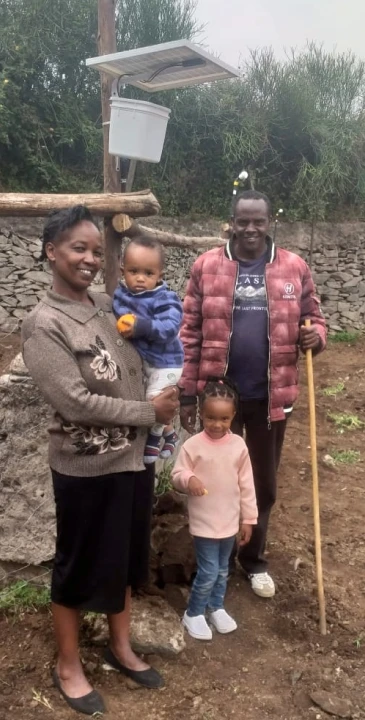
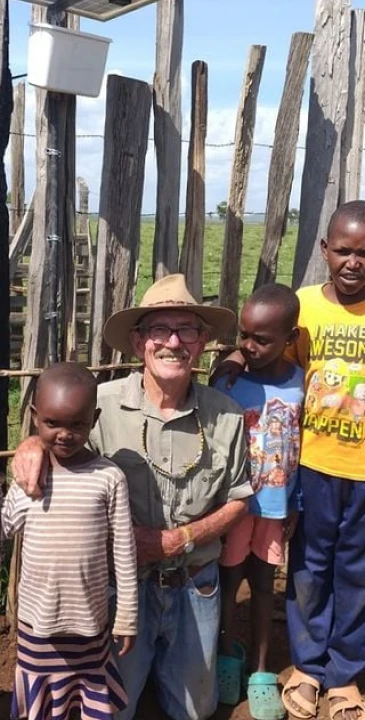
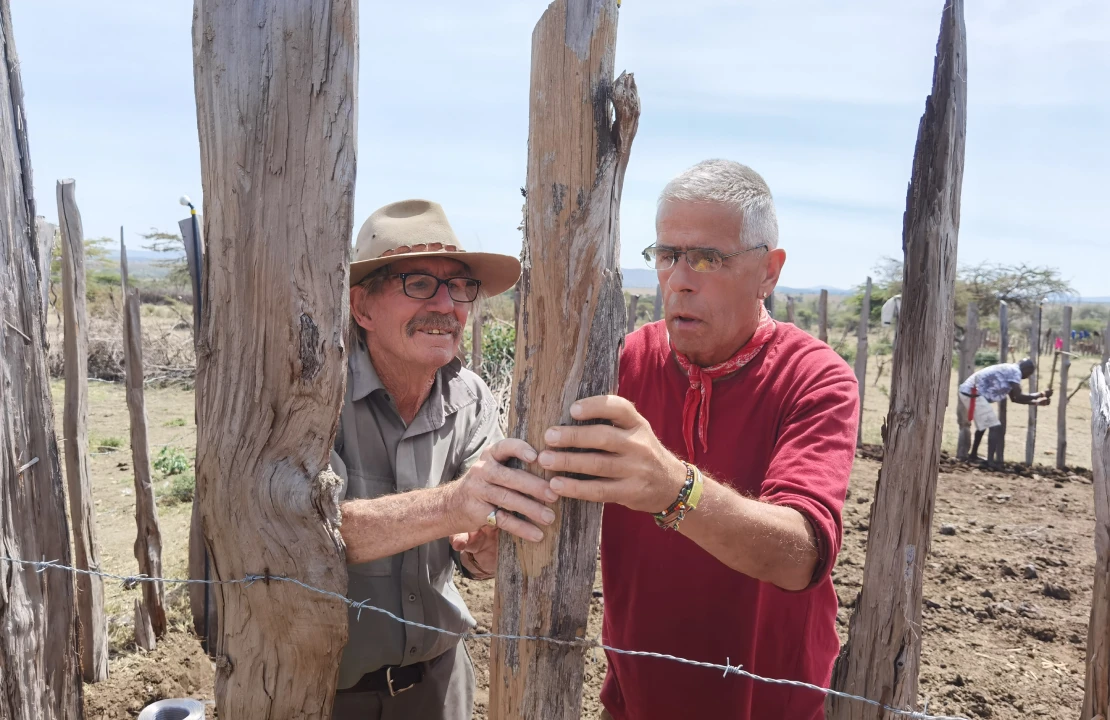
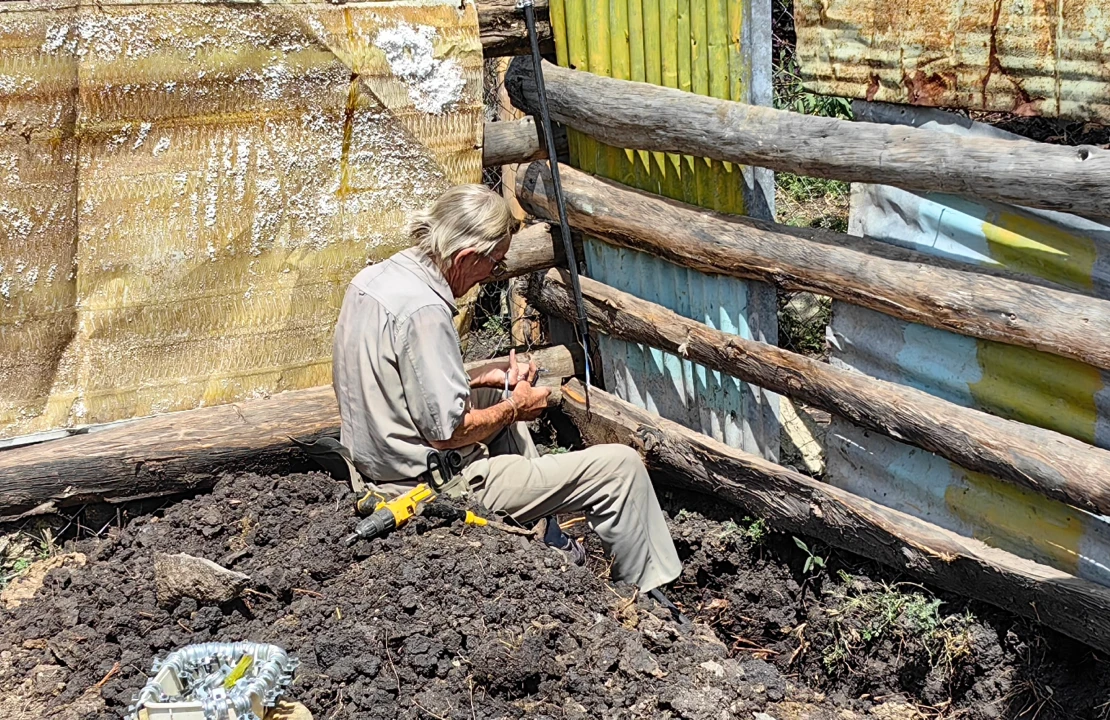
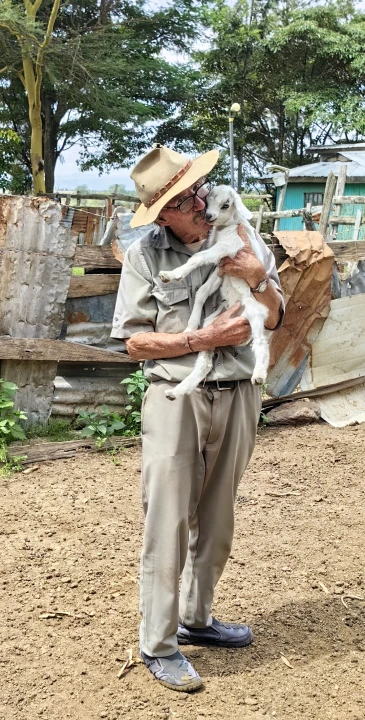
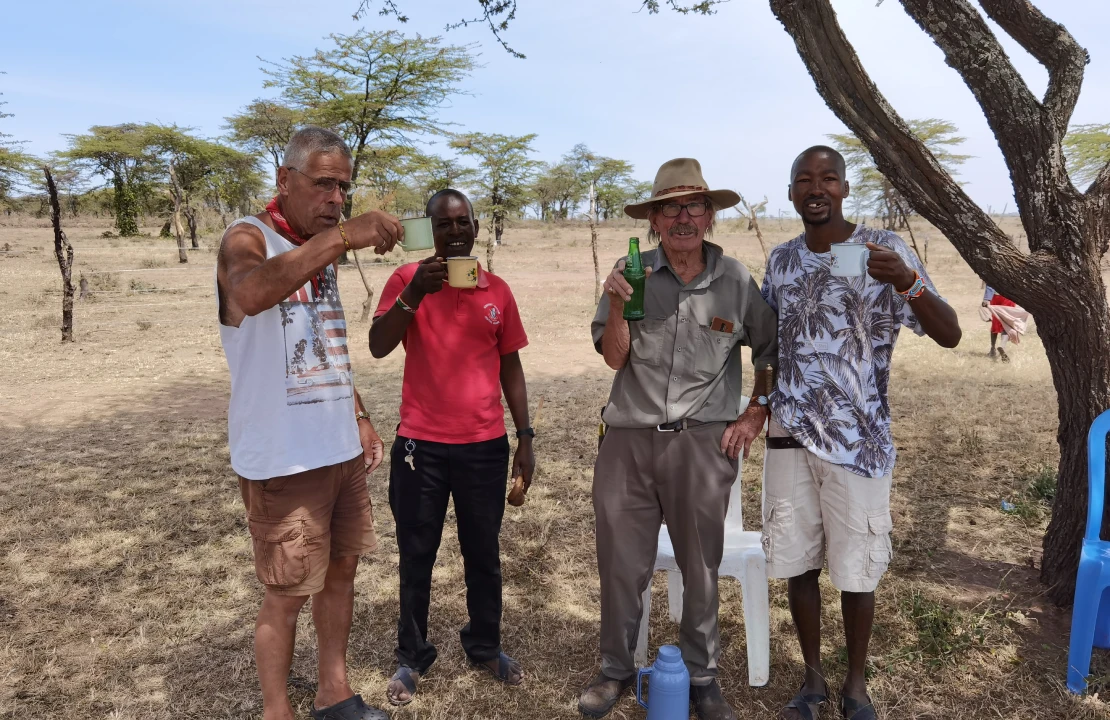
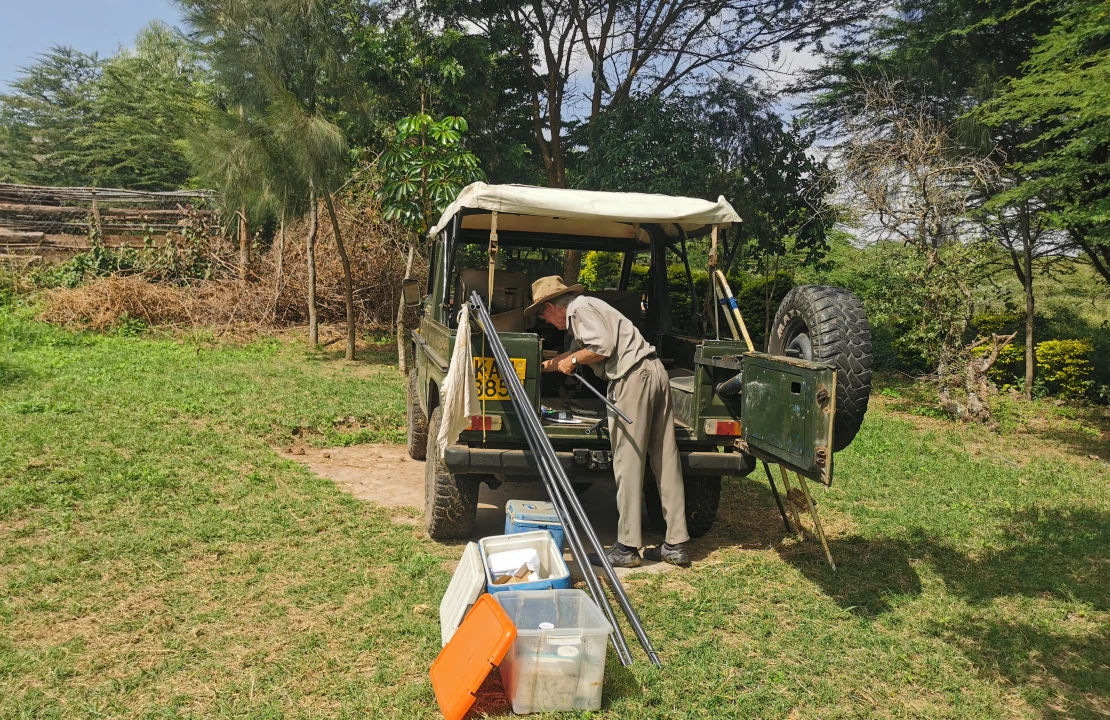
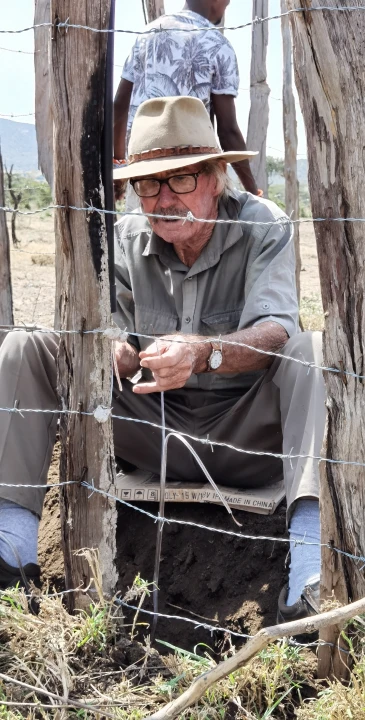
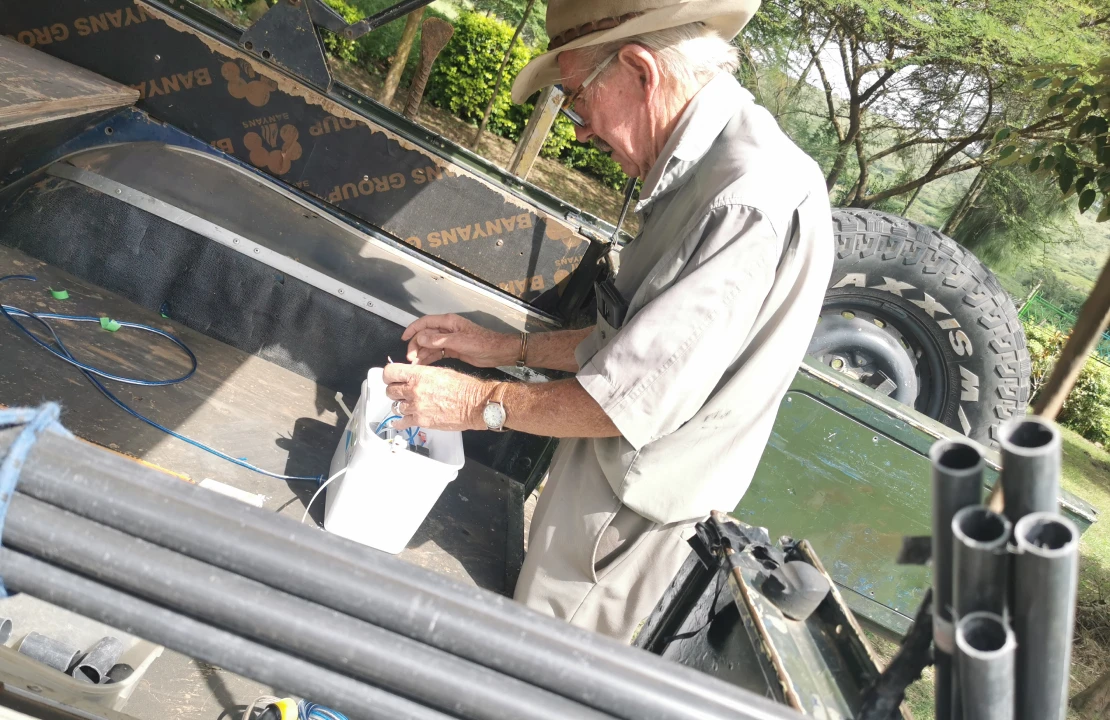
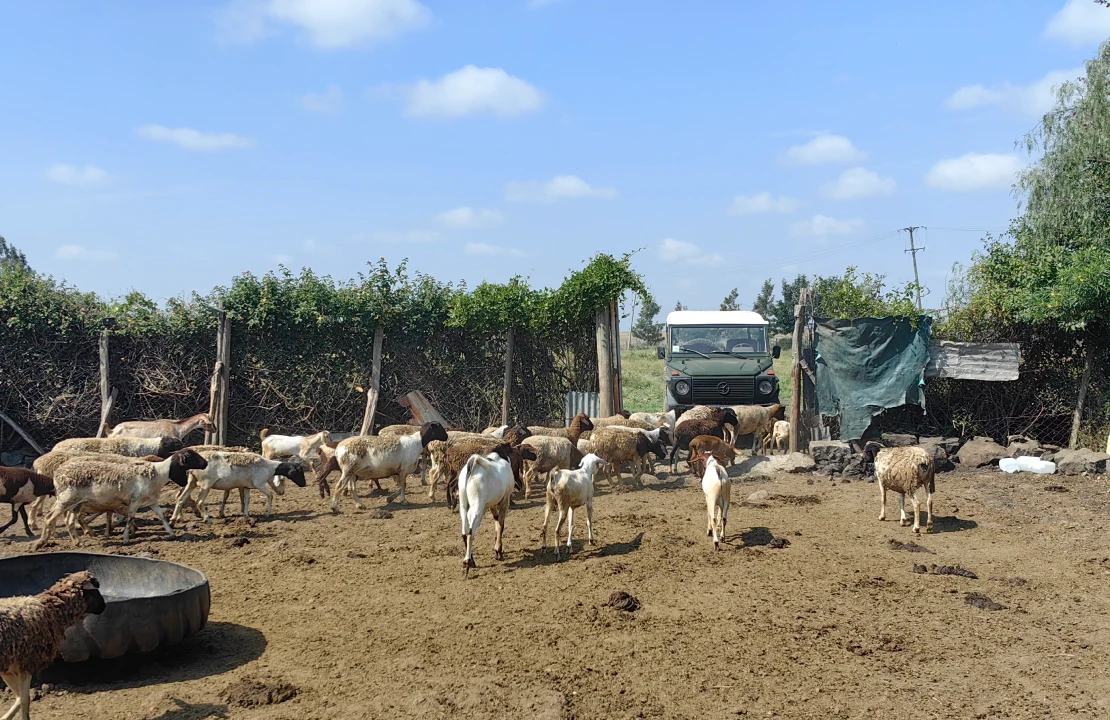
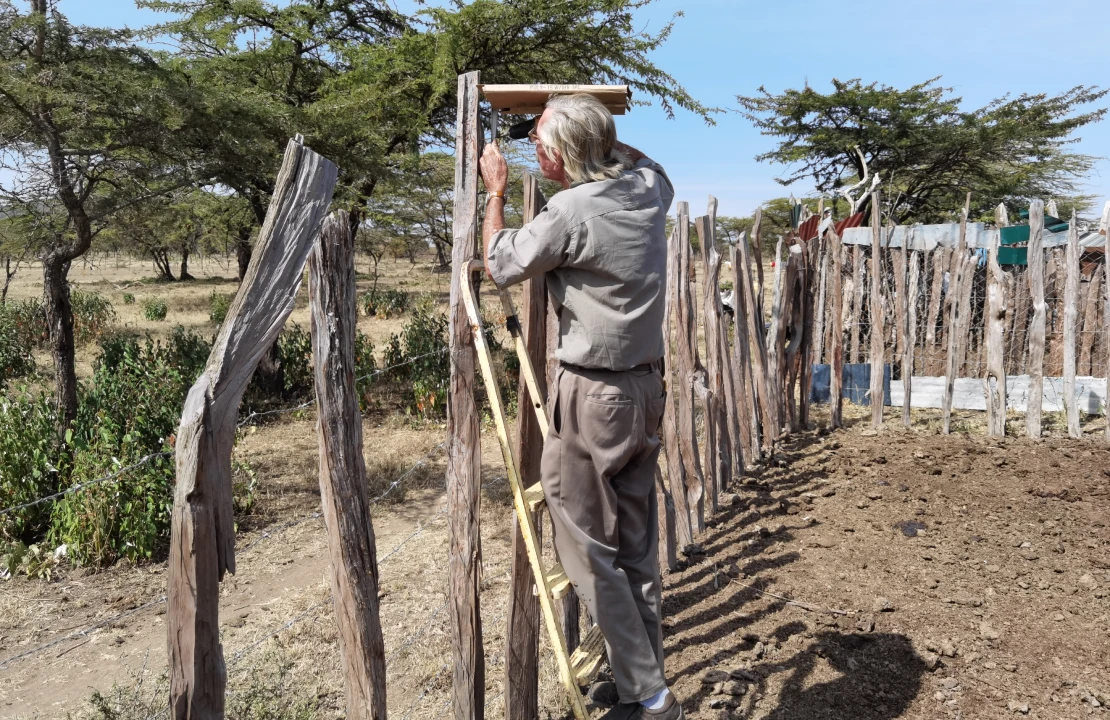
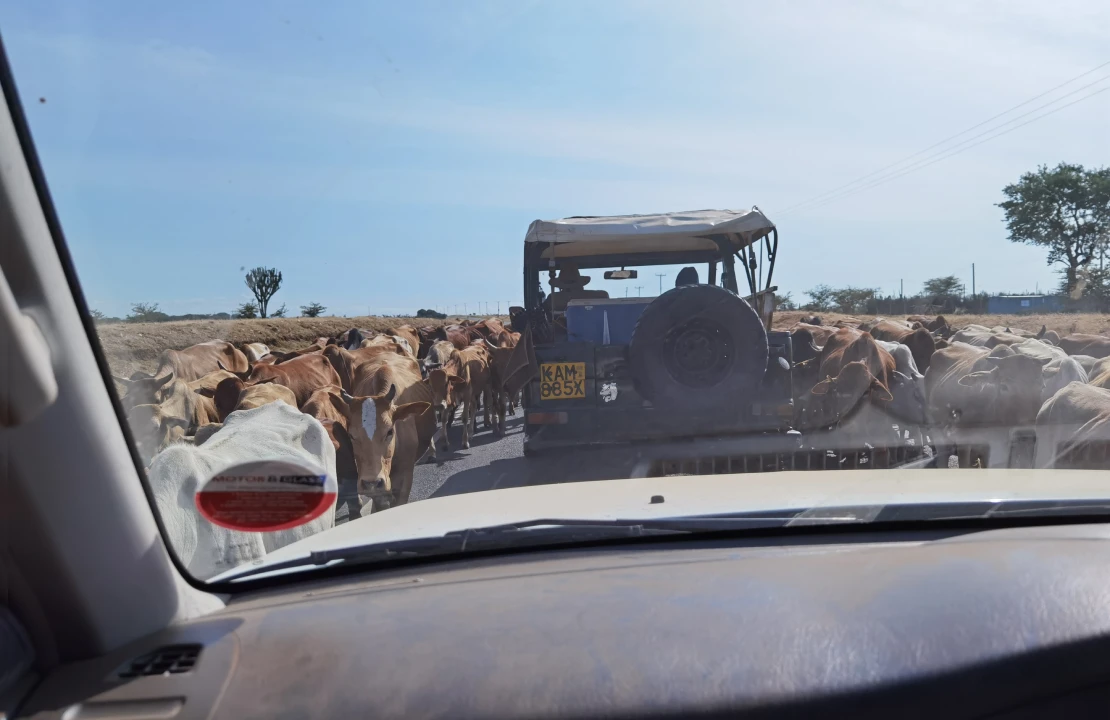
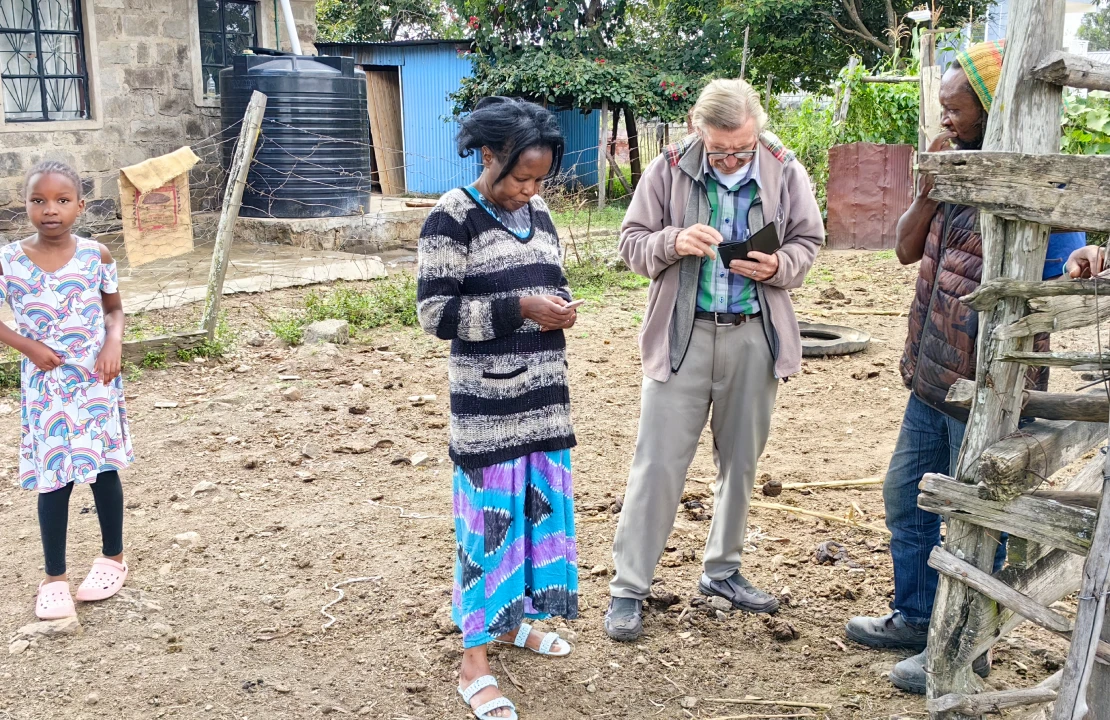
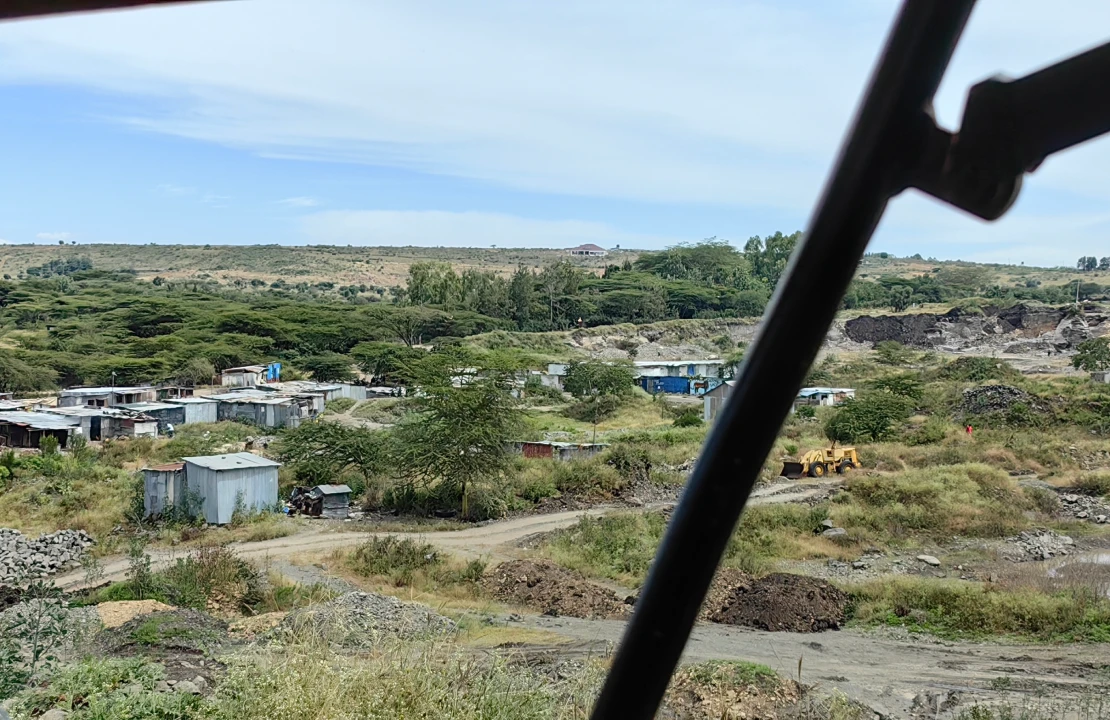
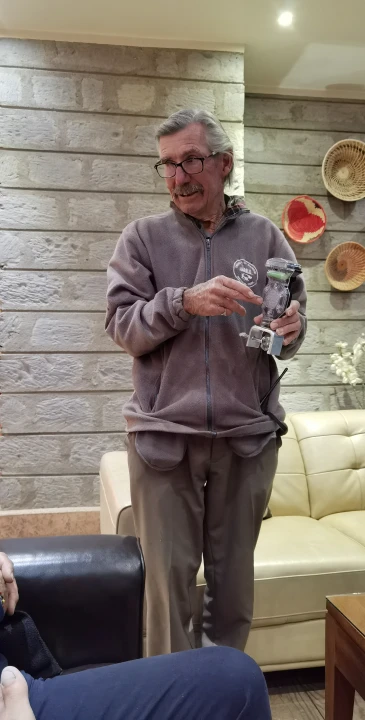
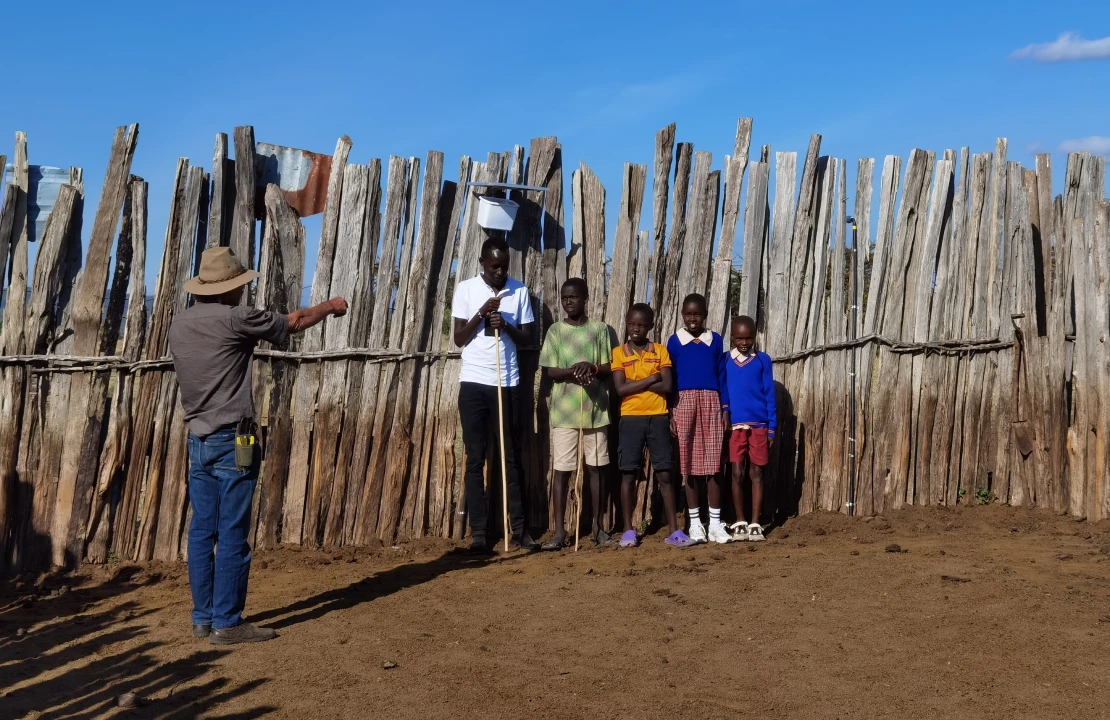
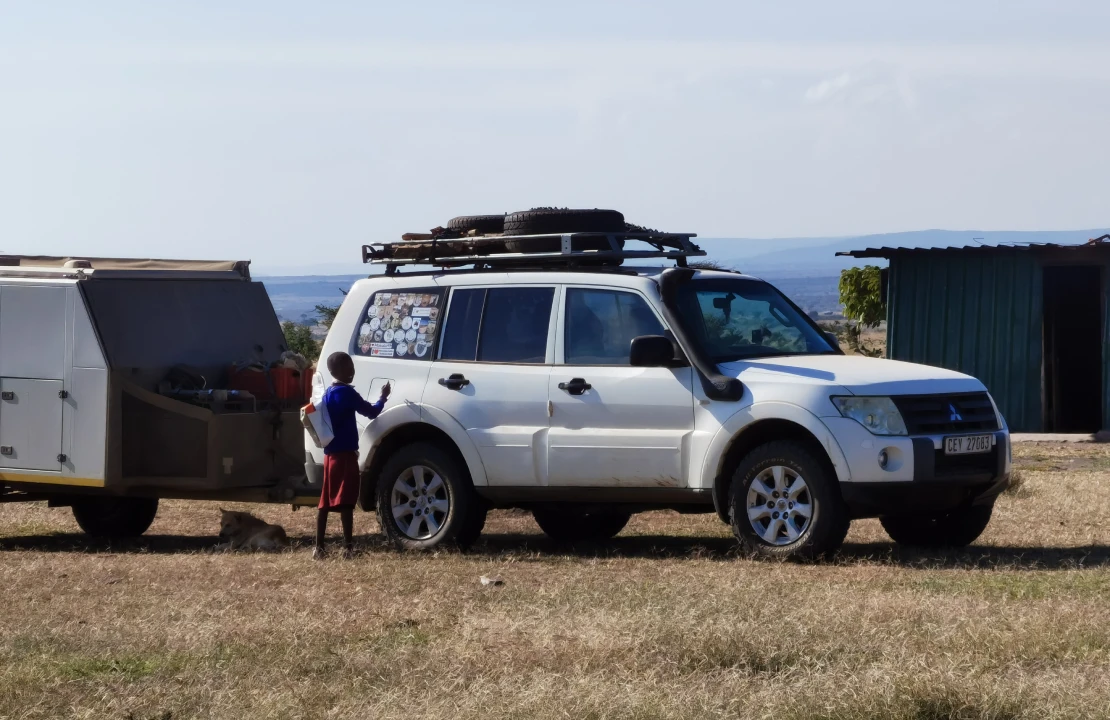
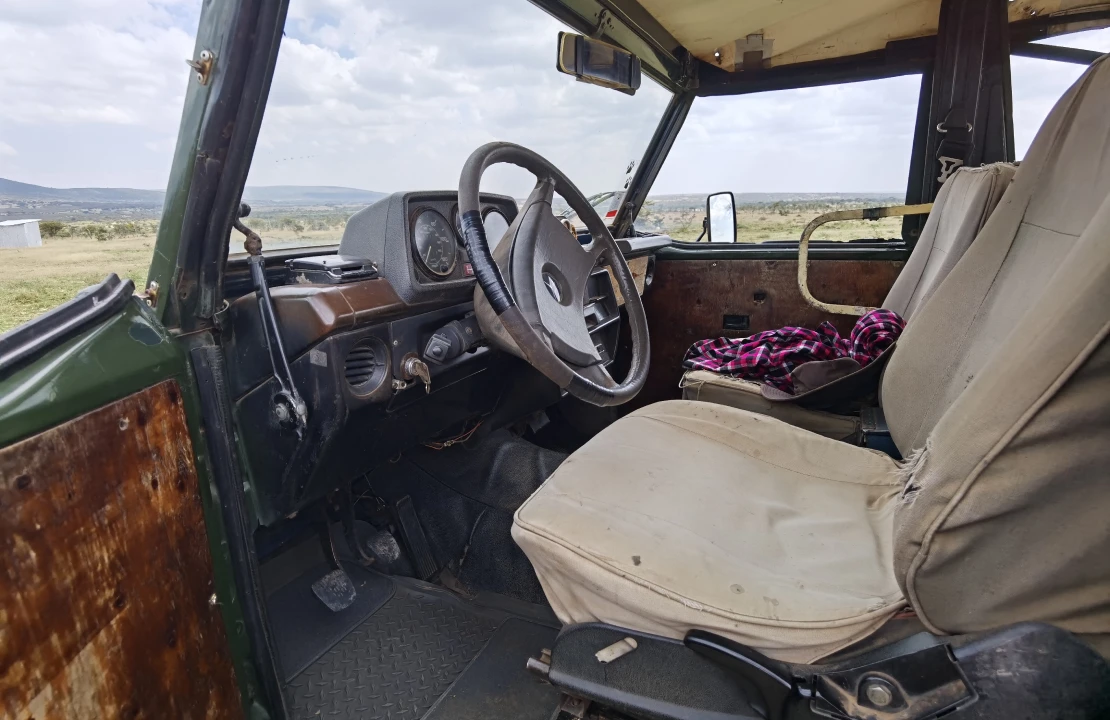
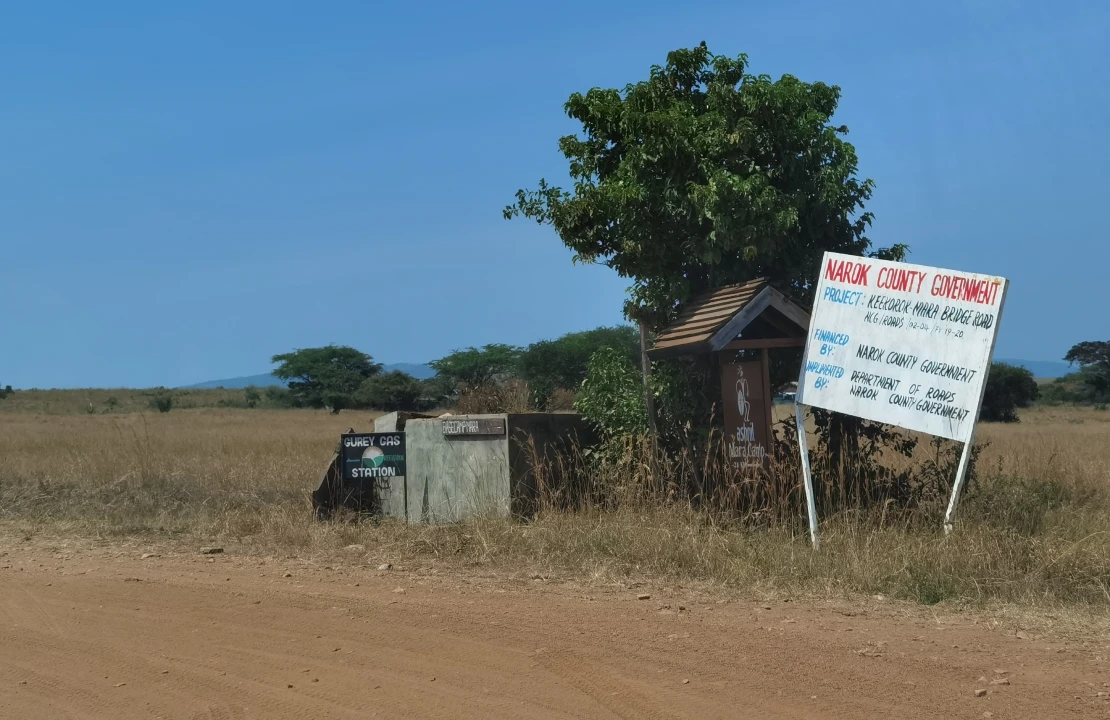
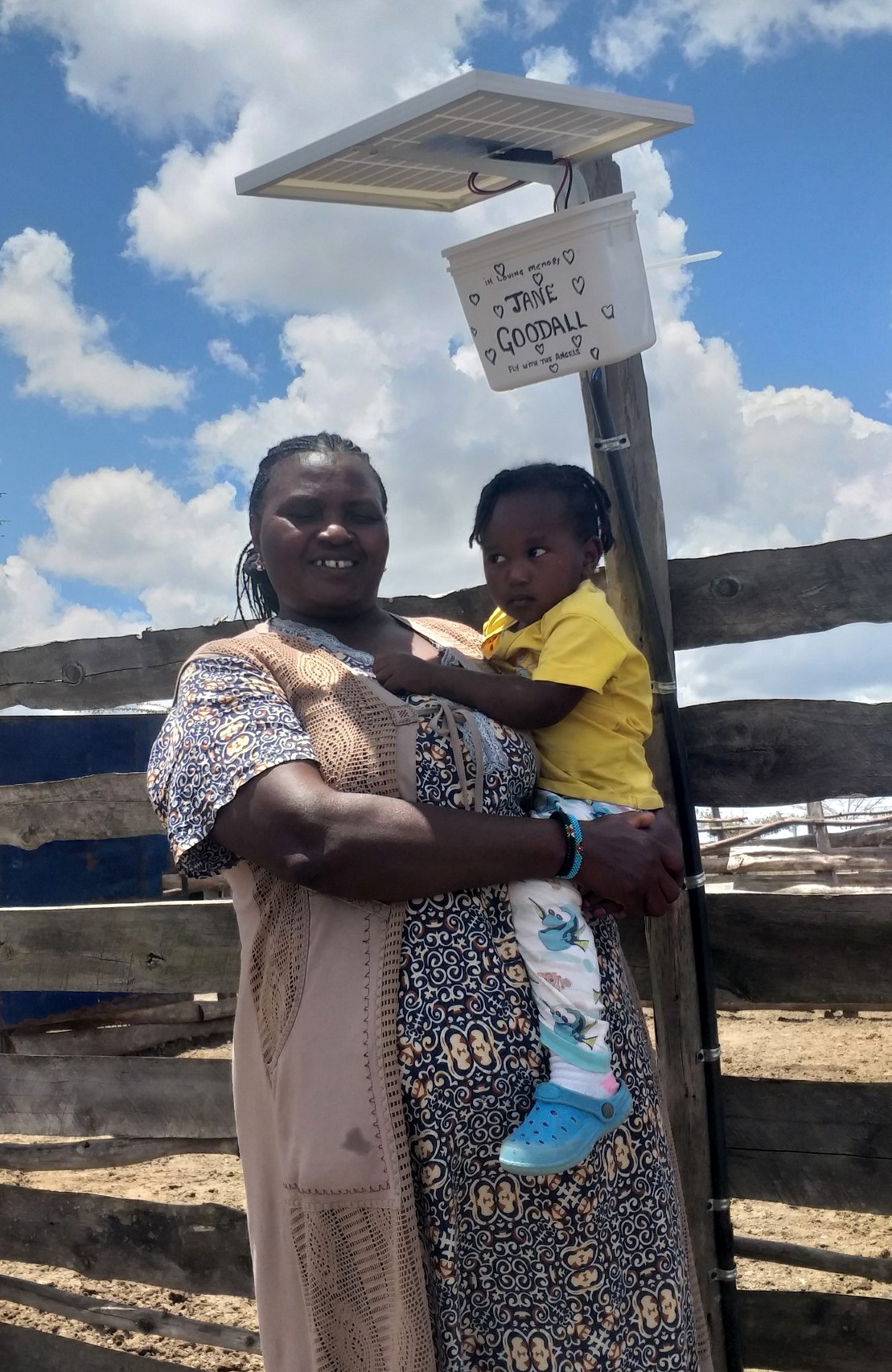
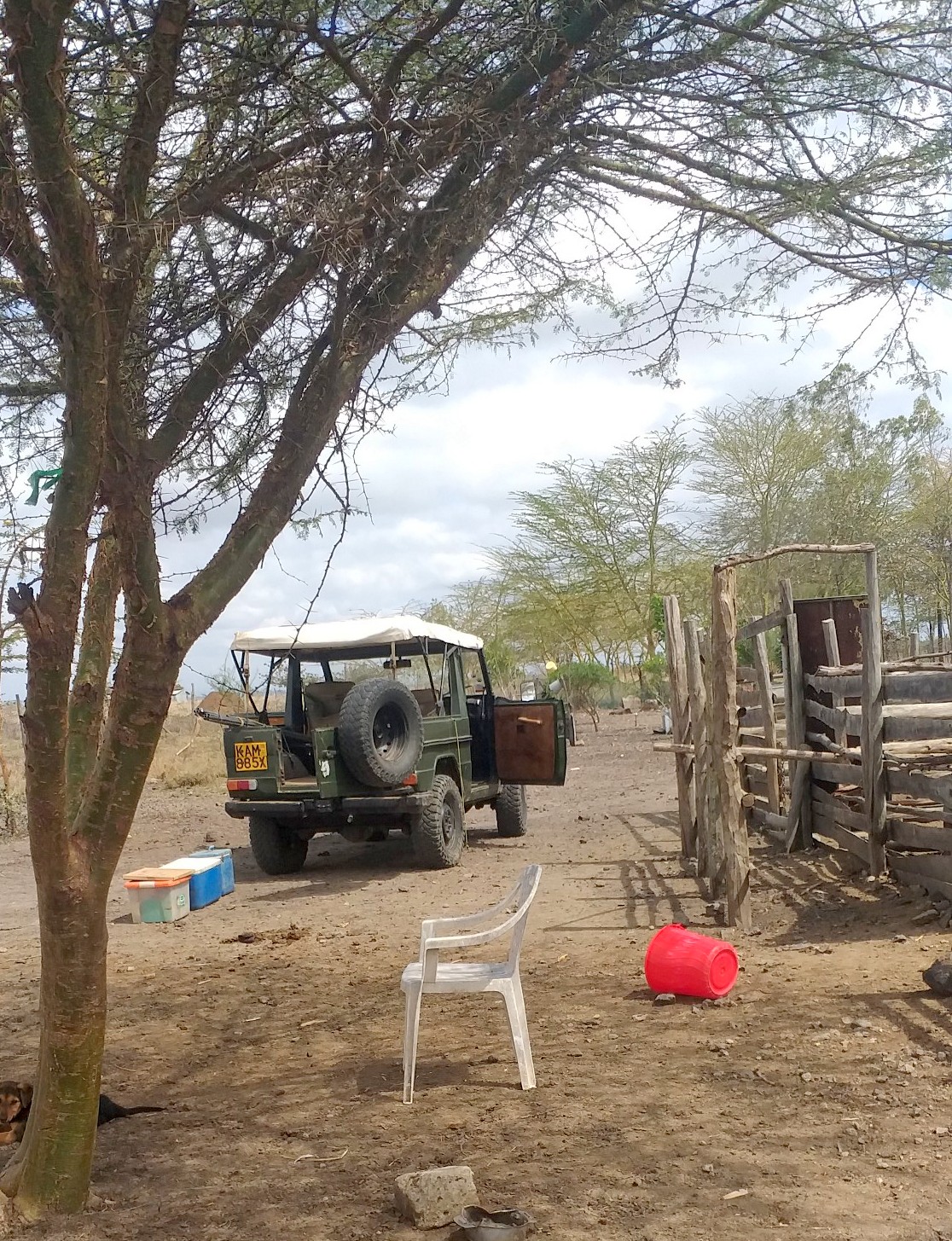
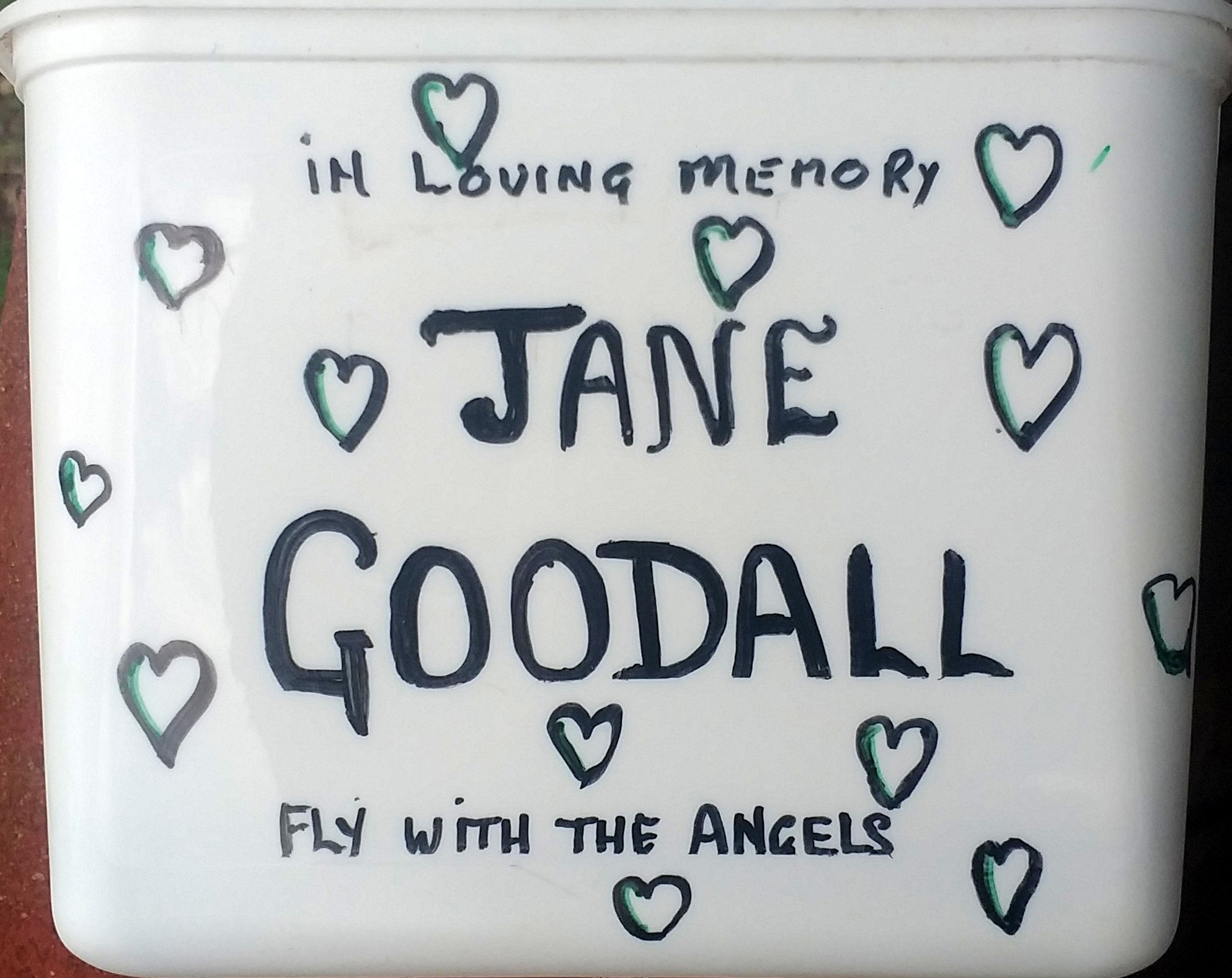
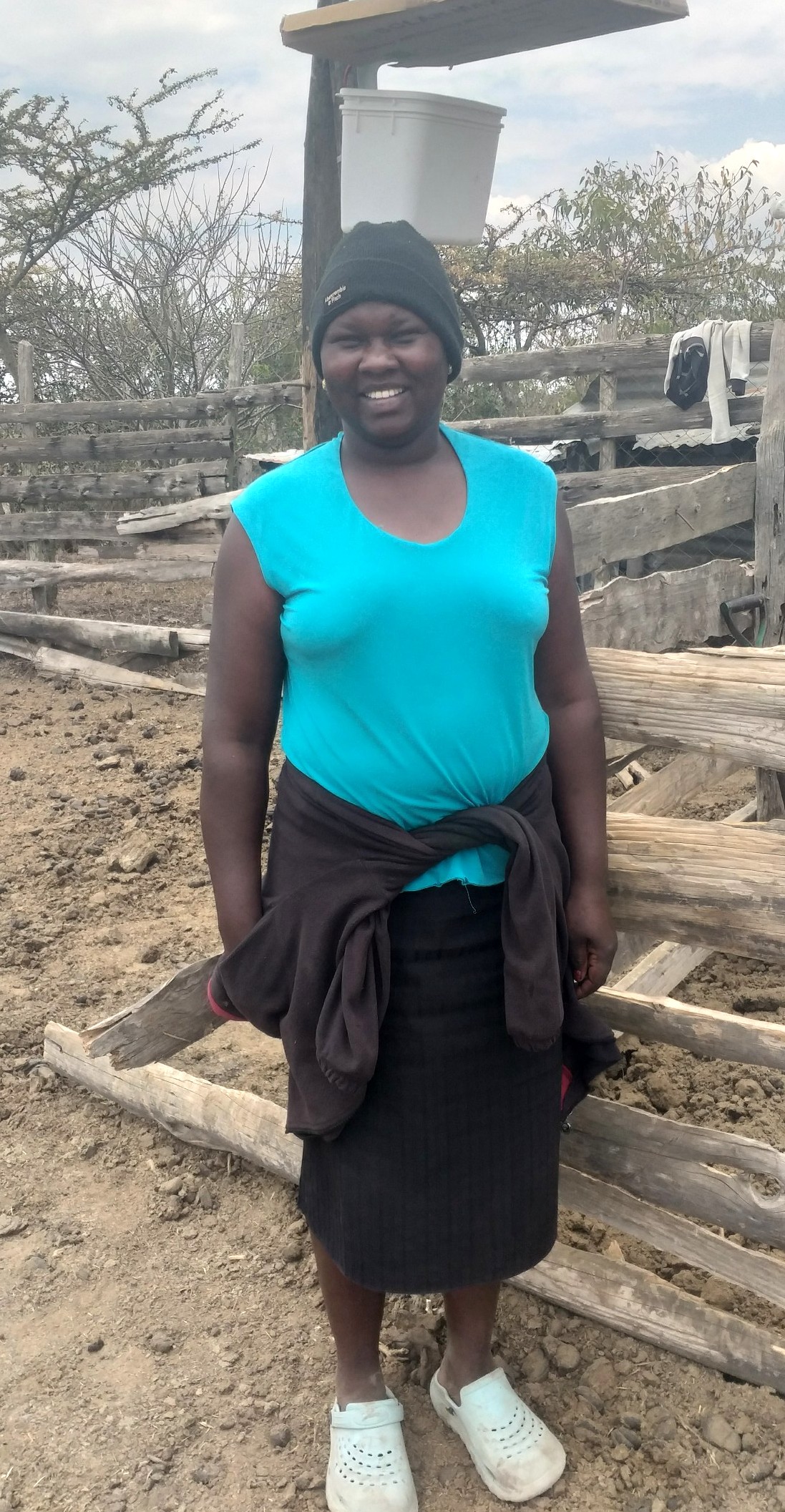
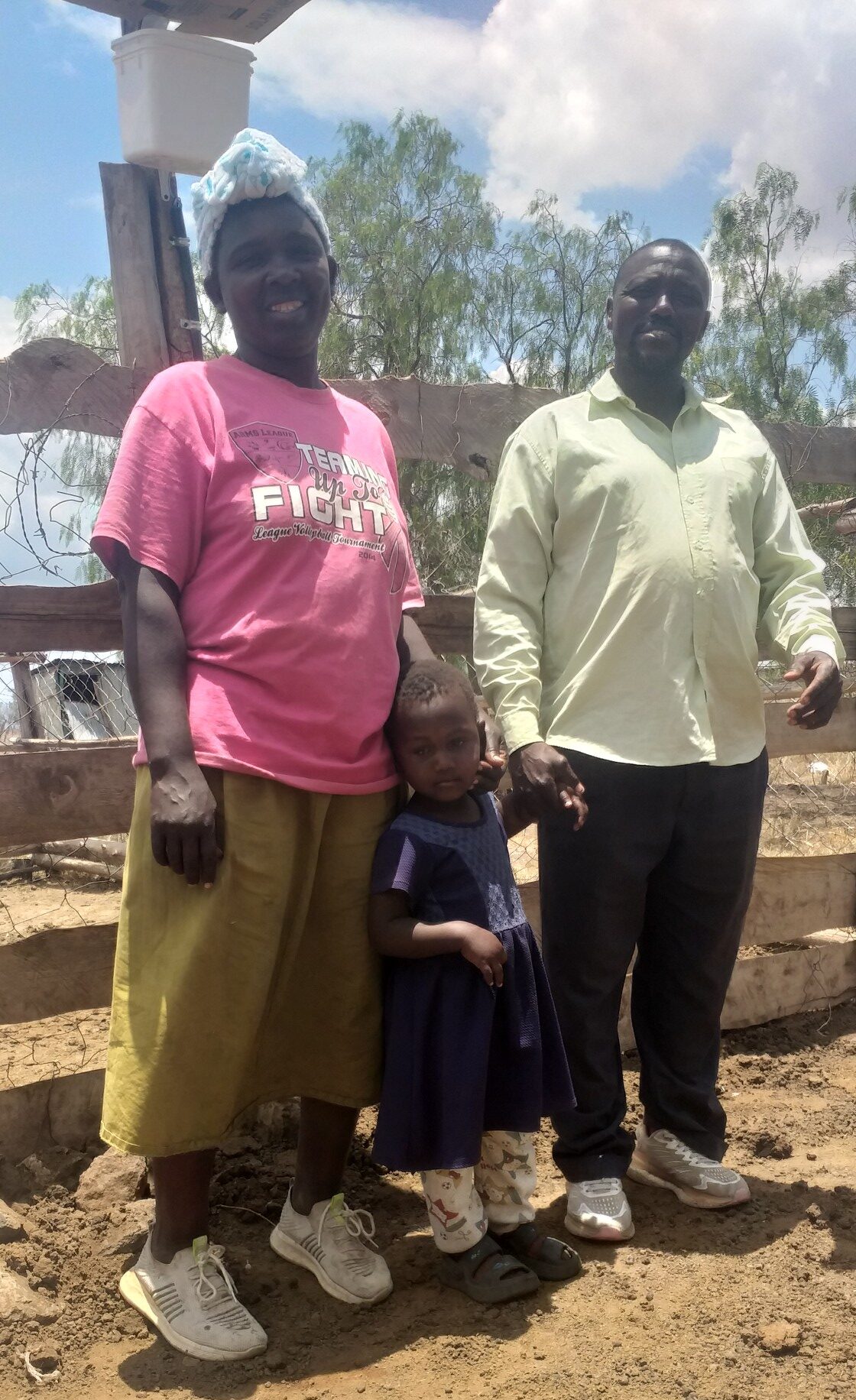
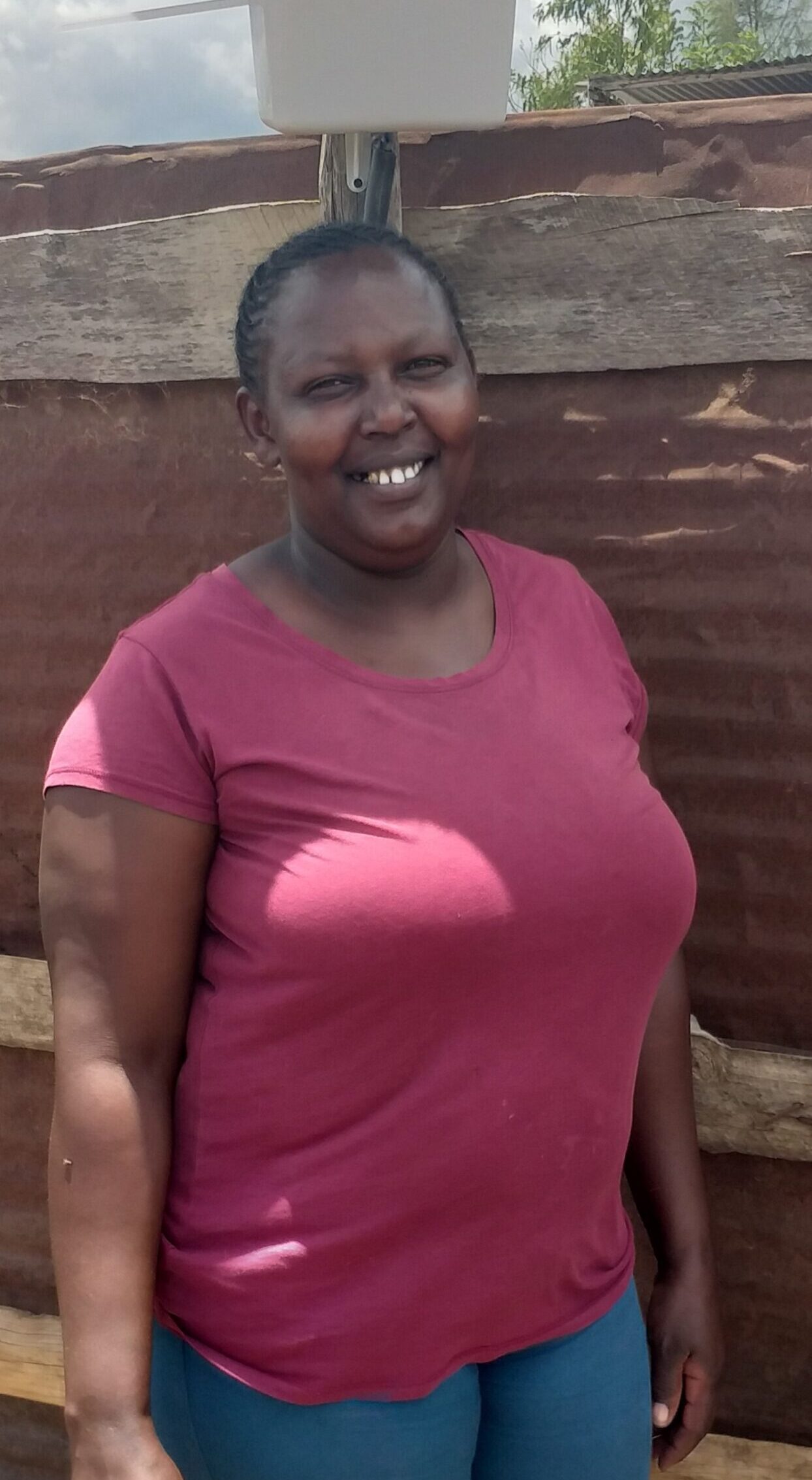
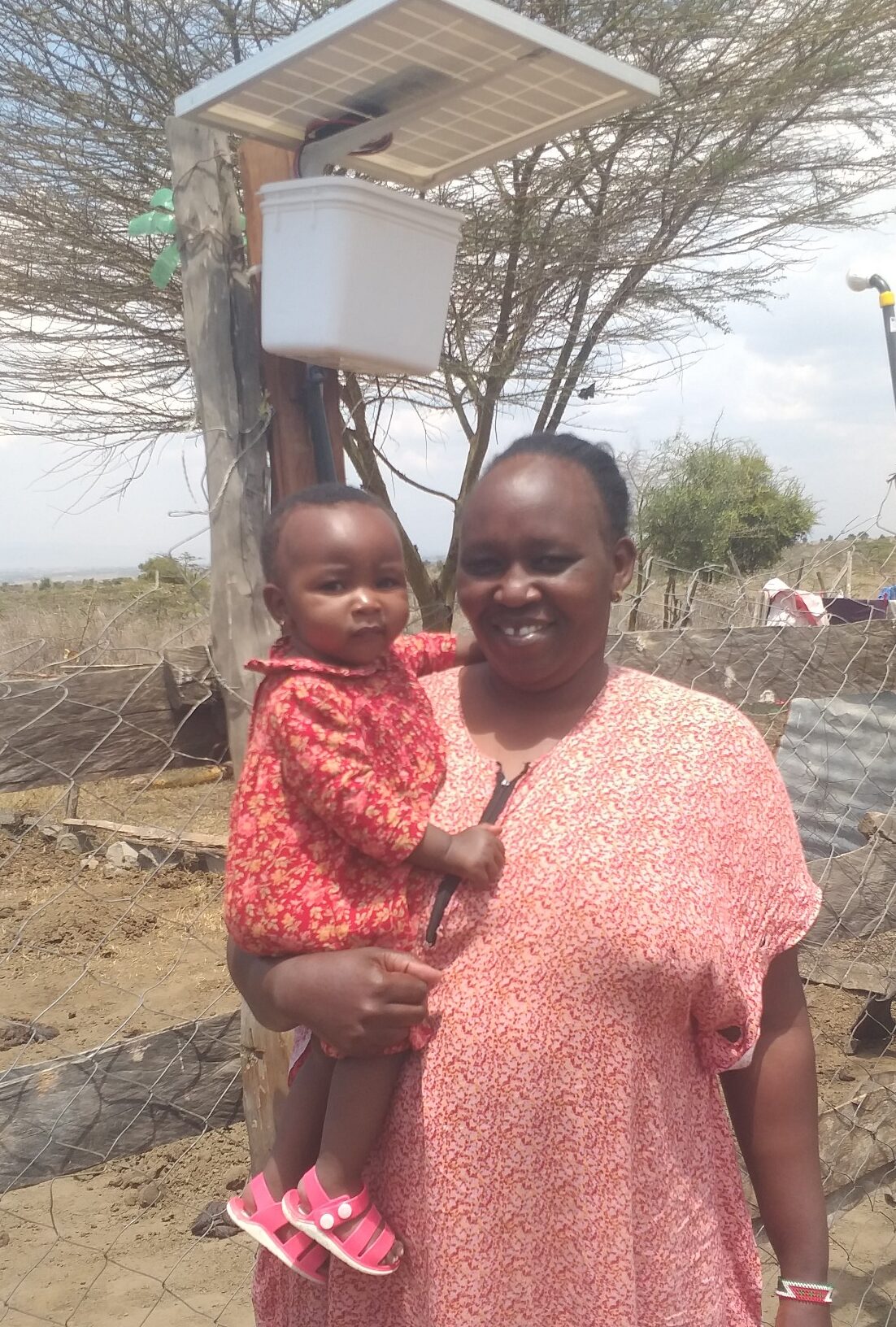
Not for the first time Emakoko Lodge has stepped in to aid the community in the Emakoko area bordering Nairobi National park. This, the first in a series of installations to protect community livestock thus protecting our lions and other predators from retaliatory killings.
David, wife Nancy and little daughter Melany are often awoken by nocturnal predators, this will now cease and peace will prevail.
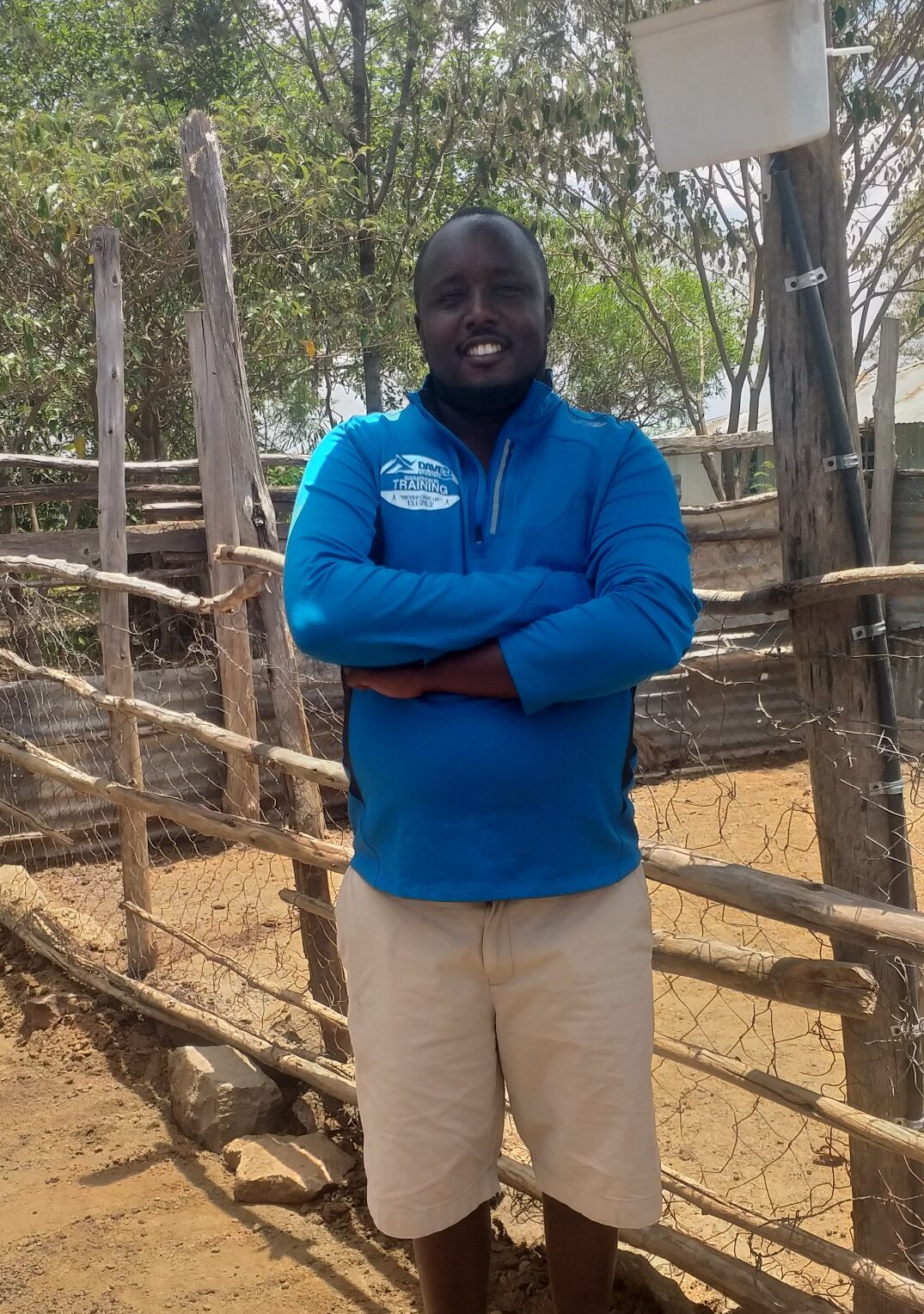
On the outskirts of the Emakoko area adjoining the Nairobi National park boundary lives Francis Lenitony. Lately, he says, the lions have been around almost every night and I've been without a full nights sleep for weeks.
Francis even invested in a batch of solar floodlights but they have done nothing to help at all. Light For Life to the rescue. Thanks to contributions from the Women's league of East Africa, peaceful nights will now prevail.
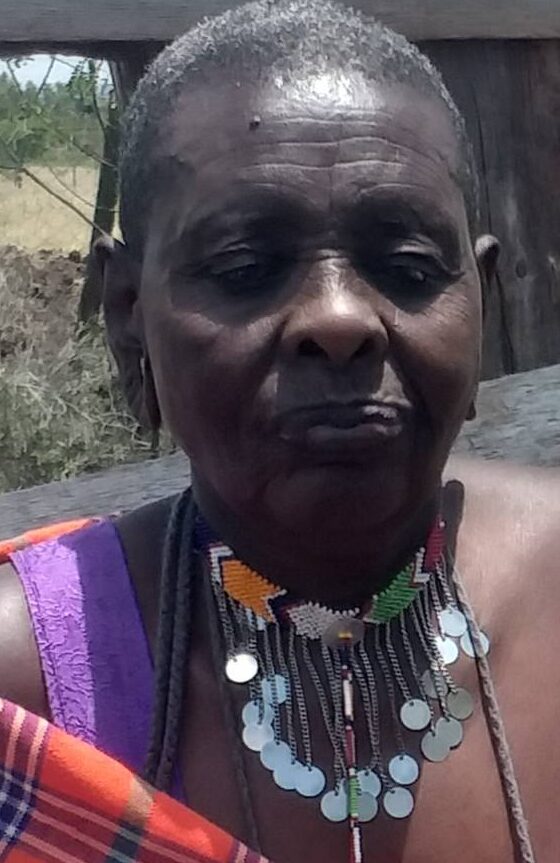
On a remote section of the Emakoko, not two kilometres from the Nairobi National park boundary lives Granny Saropa Romo. Frequent loss of her livestock had her family rebuild her enclosures, however.... Still vulnerable are her cattle and lions have already taken two.
Now, with my Light For Life's predator deterrent system in place, all of Granny's animals are safe.
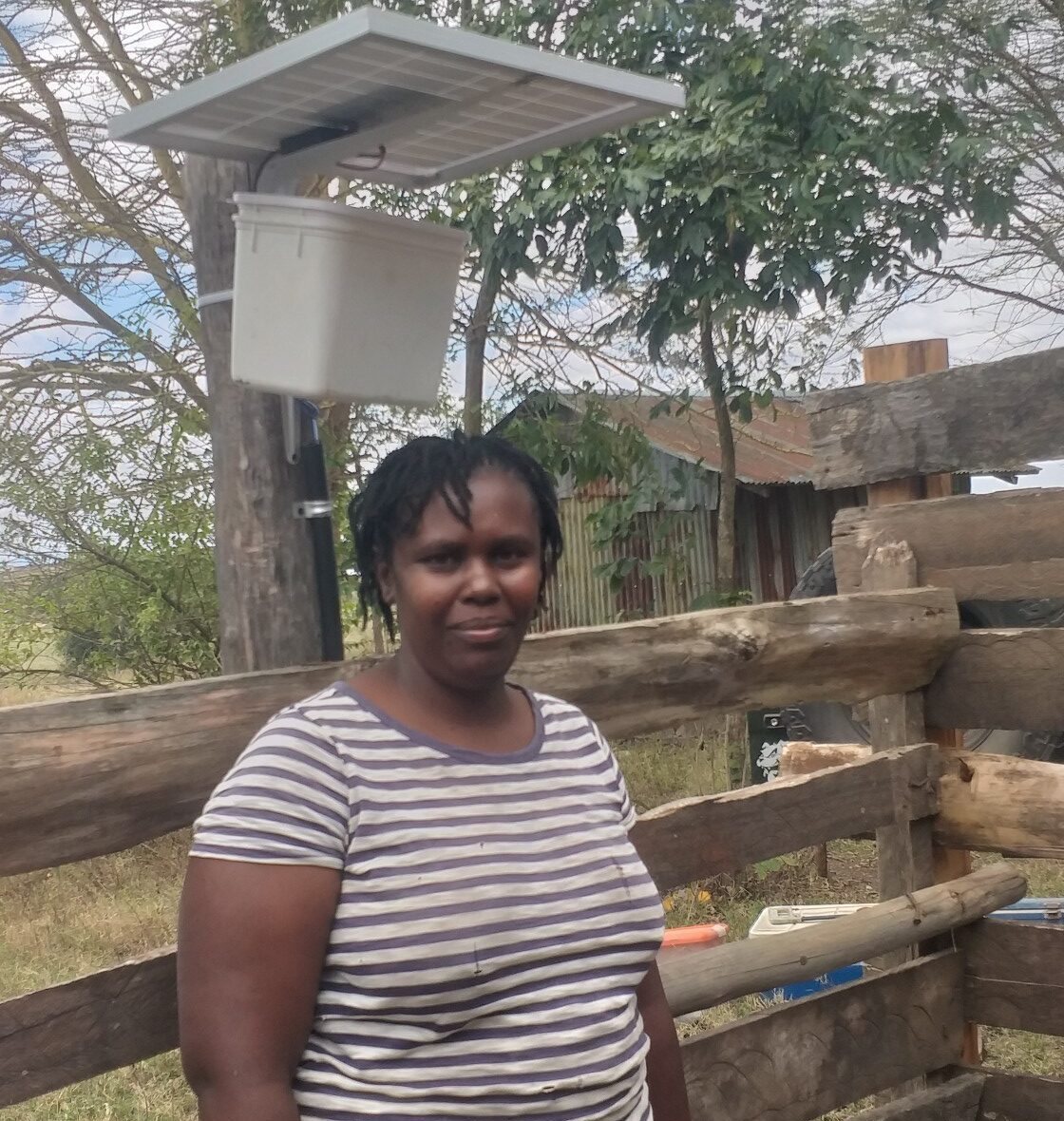
"The lions were arround again last night." Early morning call, immediate action in response makes the possibility of retaliatory action less likely.
This time the watchman chased them away but now, with the Light For Life's predator deterrent system in place, Elizabeth Wanjiru will no longer have to worry. Saving Lions, one boma at a time.
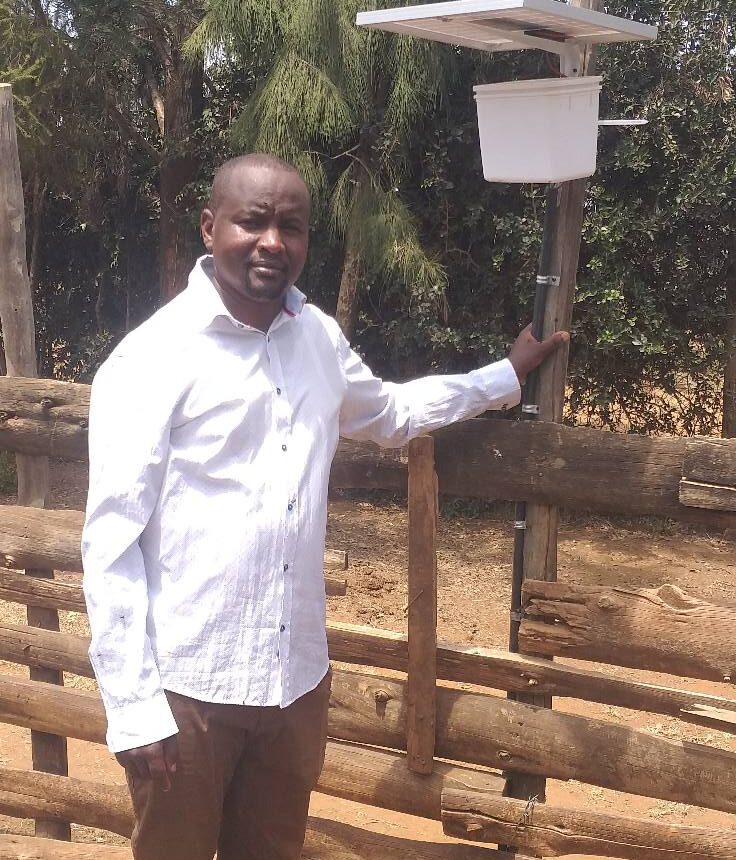
The only way to prevent retaliatory killings of nocturnal predators is to ACT immediately. News that Edward Ntikoisa had lost a calf to a lioness, had me pack the wagon and proceed to his homestead the next morning.
His home, beside a wooded valley in the Emakoko area near Nairobi National park is favorite terrain for Lions, Hyenas and Leopard. Yet another livestock owner will no longer have the constant challenge of nocturnal predation and feel the need to retaliate.
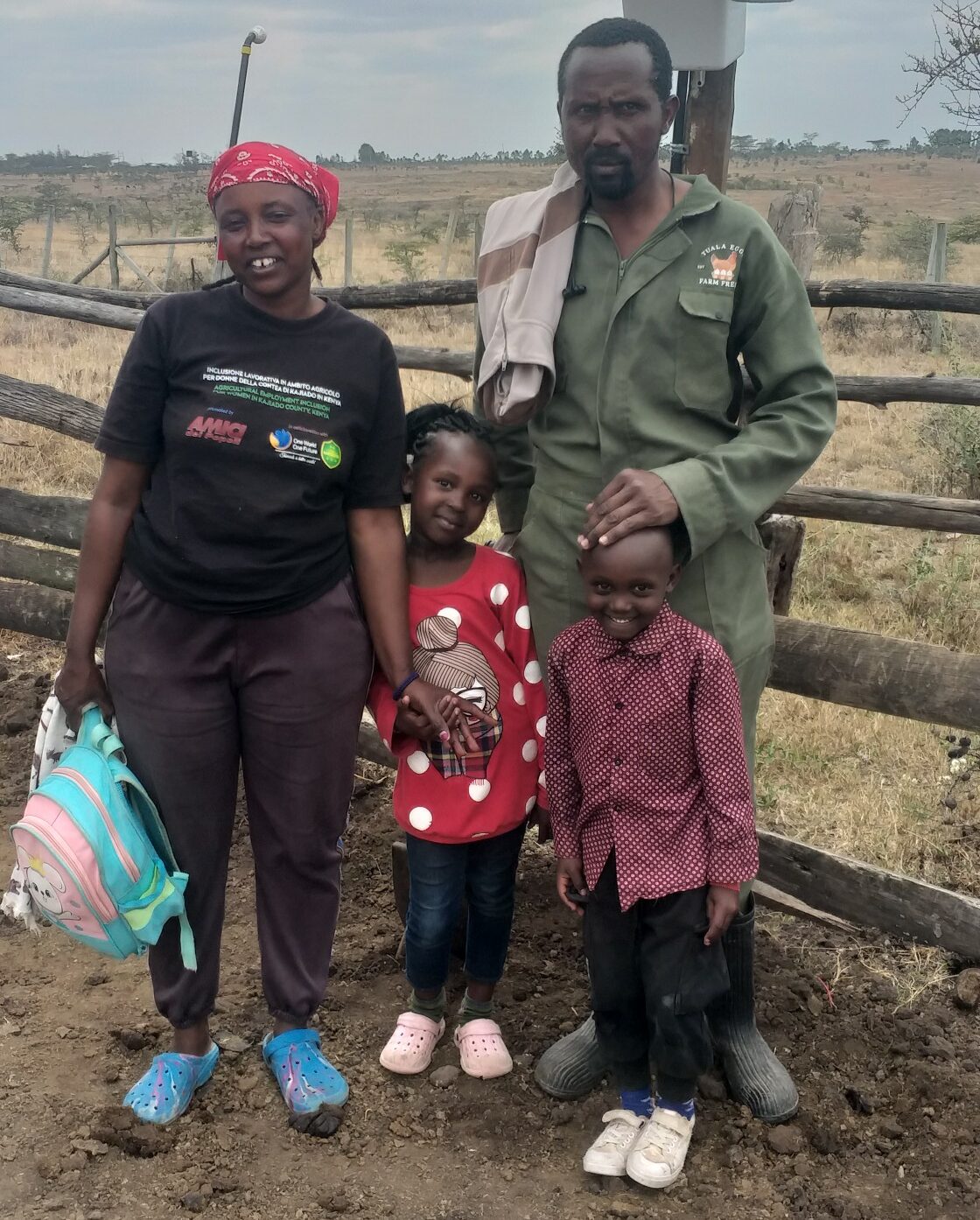
World Lion Day, and what better way to celebrate, not only this but also the birthday of a special supporter, Sonja Wong, a Leo whose birthday it also is.
There is a wooded valley on the outskirts of Emakoko, not far from NNP, there resides the family of Paul and Miriam Sane, whose humble abode is often visited by the Hyenas and Lions.They have tried their best to protect their only asset but with little success but now...
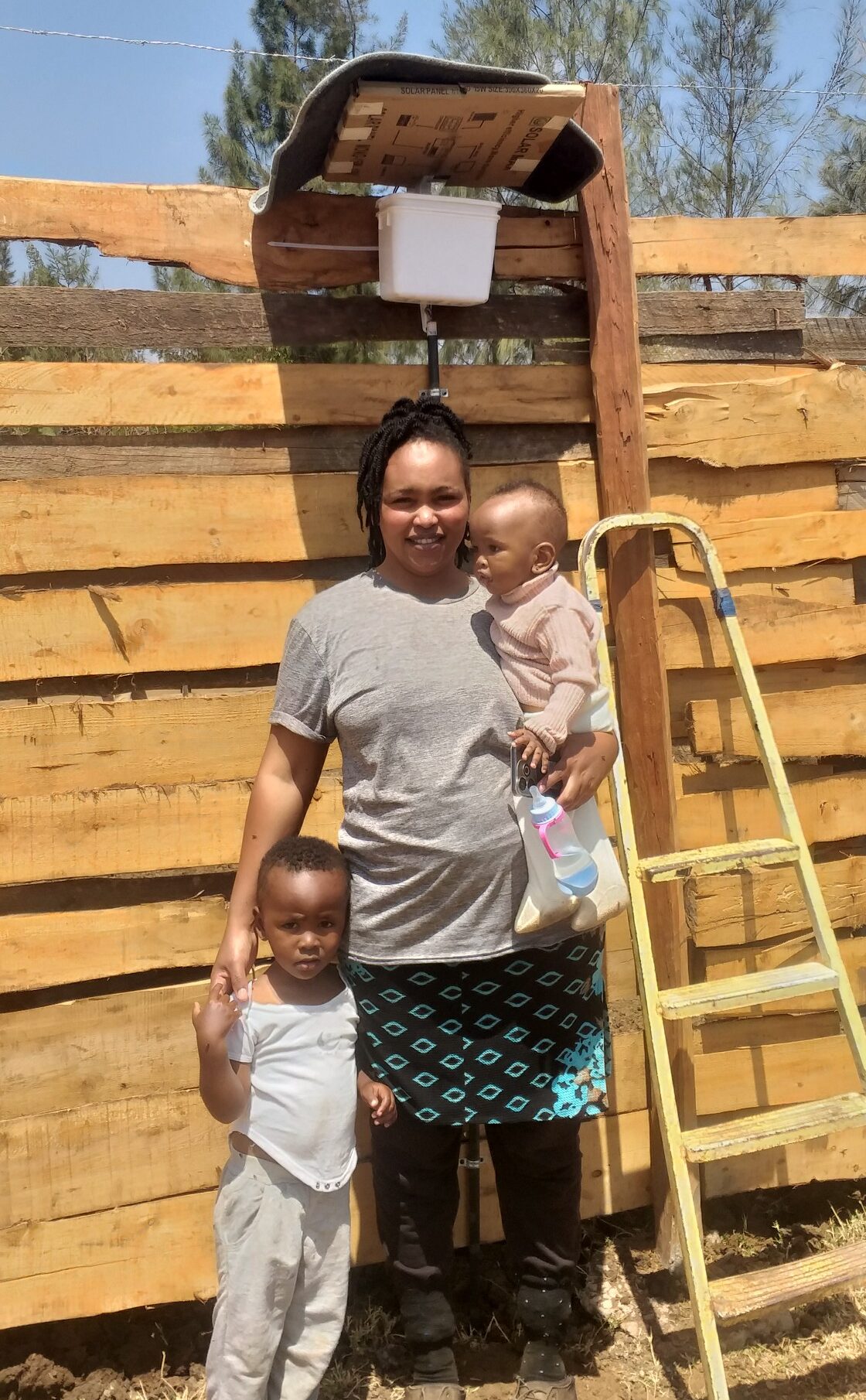
The family of Jackson Sorora , tired of frequent loss of livestock to night time predation decided to build the strongest possible enclosure.Last week a lioness managed to climb over and killed one calf before being chased away.....THIS won't happen again, now they have my solar powered flashing light predator deterrent system in place.
Thank you Duncan Mitchell and two other friends for your support. Asante Sana.
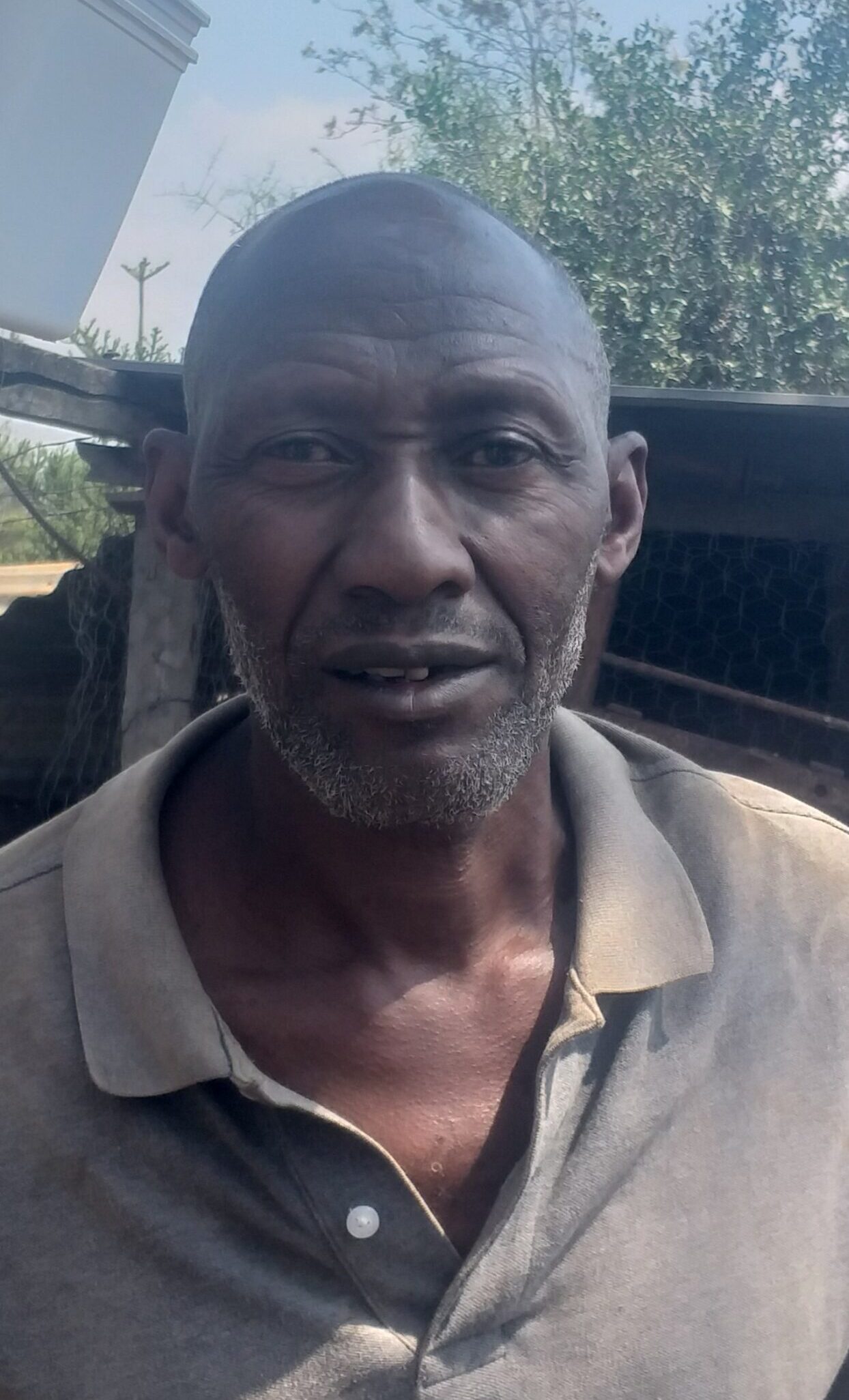
This very small but very vulnerable sheep and cattle enclosure has seen an escalation in predator attacks recently. Moses Miniu and his wife Wanjiru, living in a small community in the area of Emakoko are frequently disturbe late at night now, by the panic of their livestock, indicating either the Lions or Hyenas are about to attack.
As of today, that challenge and concern is over for them.Light For Life to the rescue, always prepared and ready to install. Prevention of Nocturnal Predation is Prevention of Retaliation.
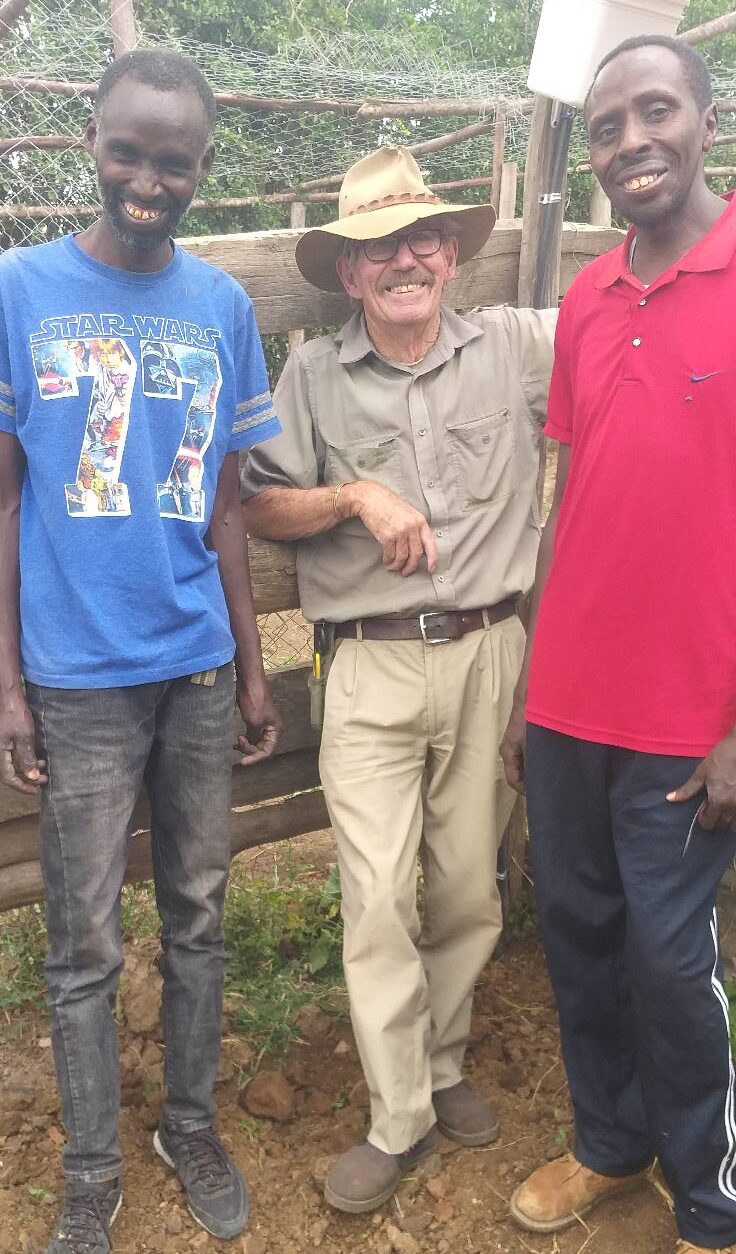
Protection for a settlement on the lip of Hyena Vally. Lawrence Moi has for a long time been subjected to visits from a resident clan of gigling Hyenas, passing Lions and also a lone Leopard. Even covering the sheep enclosure with a steel mesh canopy hasn't prevented Hyenas from chewing through the meshing to gain access.
Light For Life's predator deterrent system, henceforth will at last keep his livestock safe from nocturnal predation. Saving community livestock is Saving our Predators from retaliatory killings.
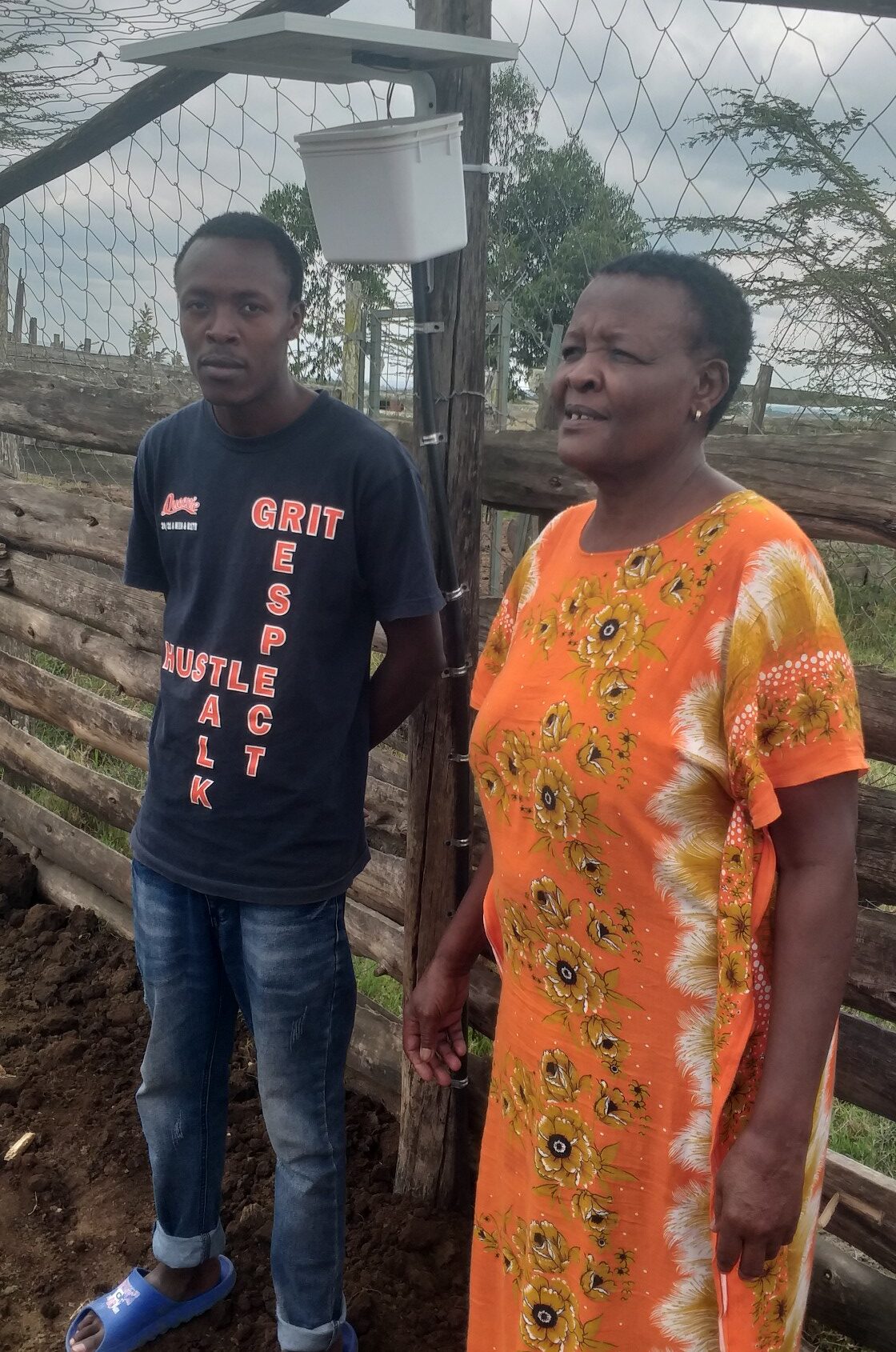
Tired from the loss of their livestock to nocturnal predation, Mary and her son Thomas took advice from a neighbour.
As you see, the entire stockade has a complete wire mesh canopy which has worked very well. However, recently a lioness has repeatedly tried to gain entry through the top and should she succeed, she would be trapped, kill many of her animals and inevitably get killed herself.
Carefull installation of my Light For Life's predator deterrent system will now prevent this tragedy from happening by deterring the lioness from even coming near .Saving Lions by Saving Livestock. WIN WIN.
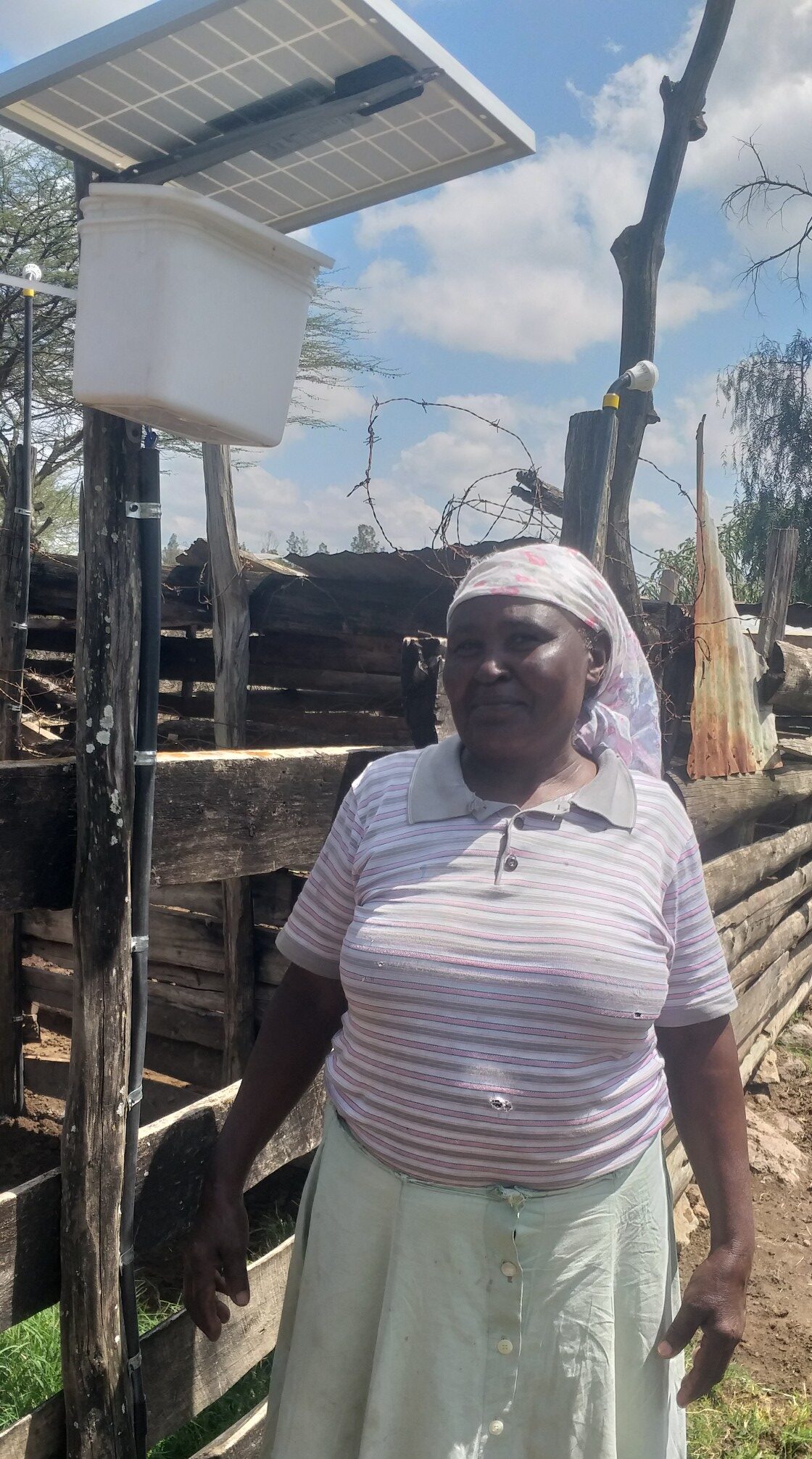
Not far from our last Light For Life's instalation is the homestead of Mary Wambui. Having seen my flashing lights nearby she enquired , and.....here we are 🦁 As with many of the homesteads in proximity of the Nairobi National park, Mary has lost numerous heads of her livestock, but now that challenge is over and now she will be able to enjoy peaceful, sleep filled nights thanks to my Light For Life's predator deterrent system.
Many thanks to a long standing friend and caring sole in the USA and also funding from Duncan Mitchell who also supported my Saving Lions project.
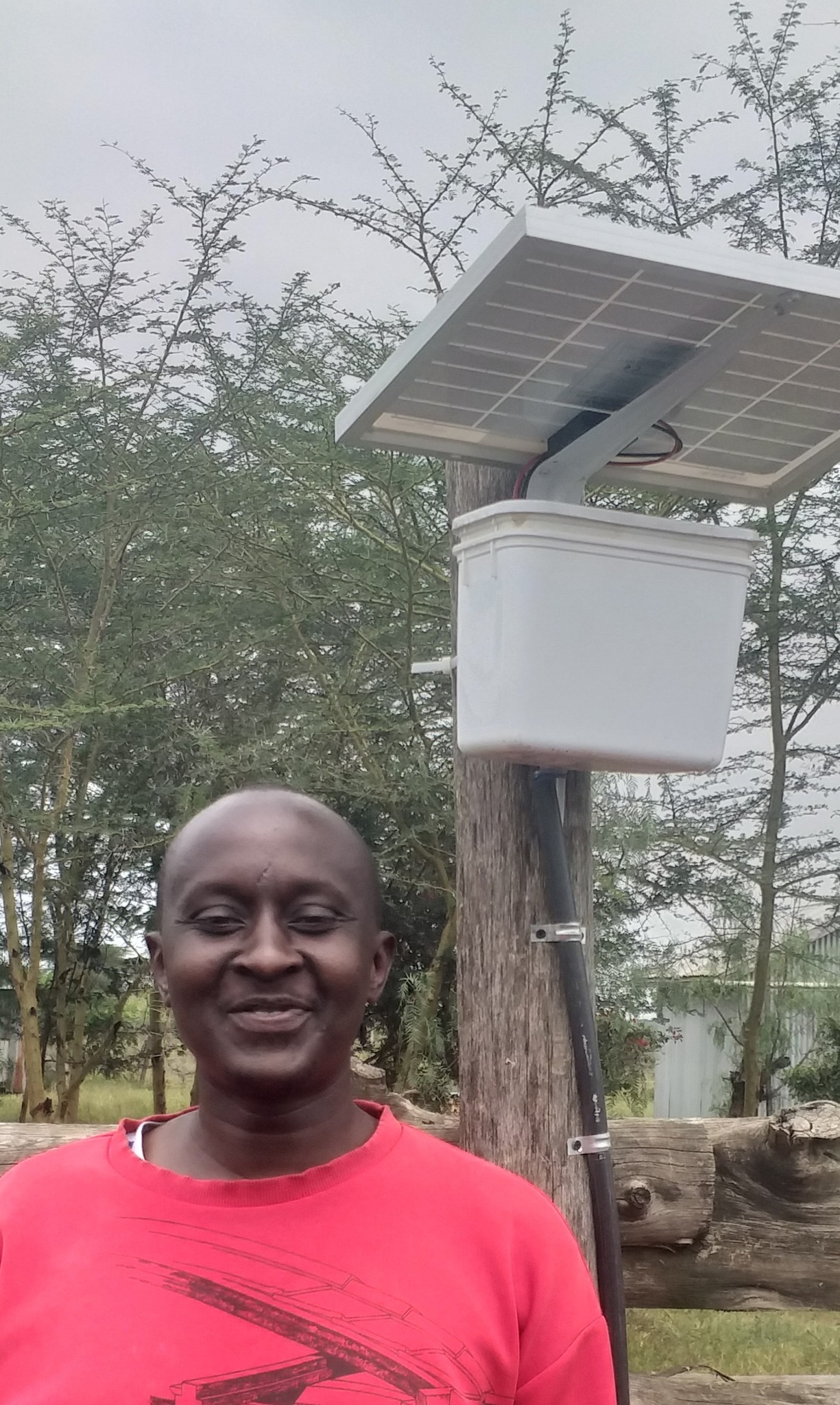
Benson Lelion was at a loss how to prevent nocturnal predation on his livestock. No matter how strong the enclosure is, Lions, Leopards and Hyenas still gain access. A neighbour suggested he contact Light For Life for the solution and now his challenges are over.
By installing our solar powered, predator deterrent system, we eliminate the possibility of any retaliatory action against our Lions, Leopard or Hyenas. Win Win Win.
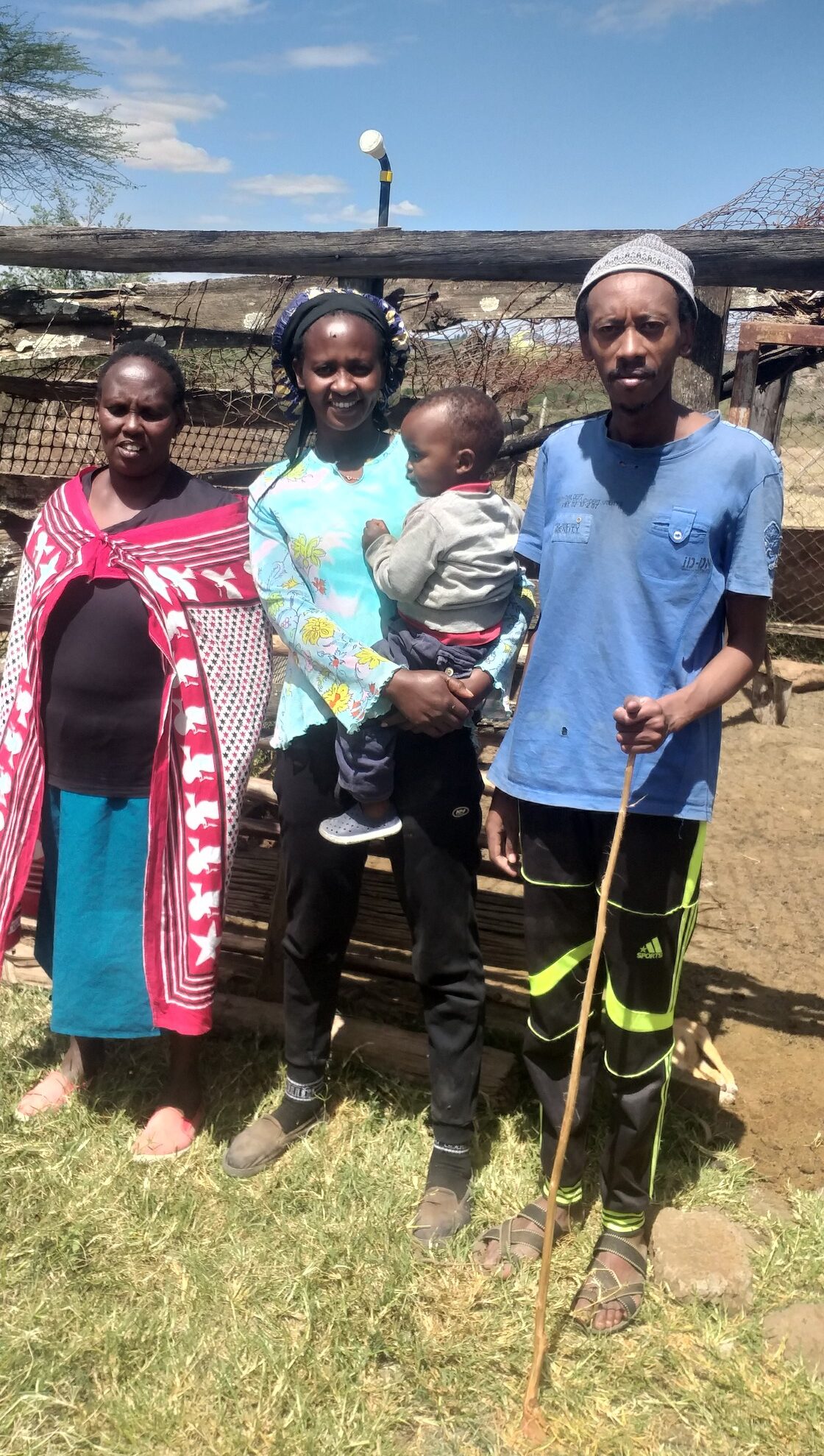
Tired of the regular loss of her livestock to lions which would leap into the enclosure, Hellen Larmol put a strong wire mesh cover over the top. Success.
Cunning Hyenas now either dig under or force their way through. So frustrating!
This installation, a special for Fathers Day was sponsored to honour the father of a special friend and ardent supporter of the Light For Life's project. Now No more the need to be concerned about her familie's safety or loss of her livestock.
Happy Hellen 🦁
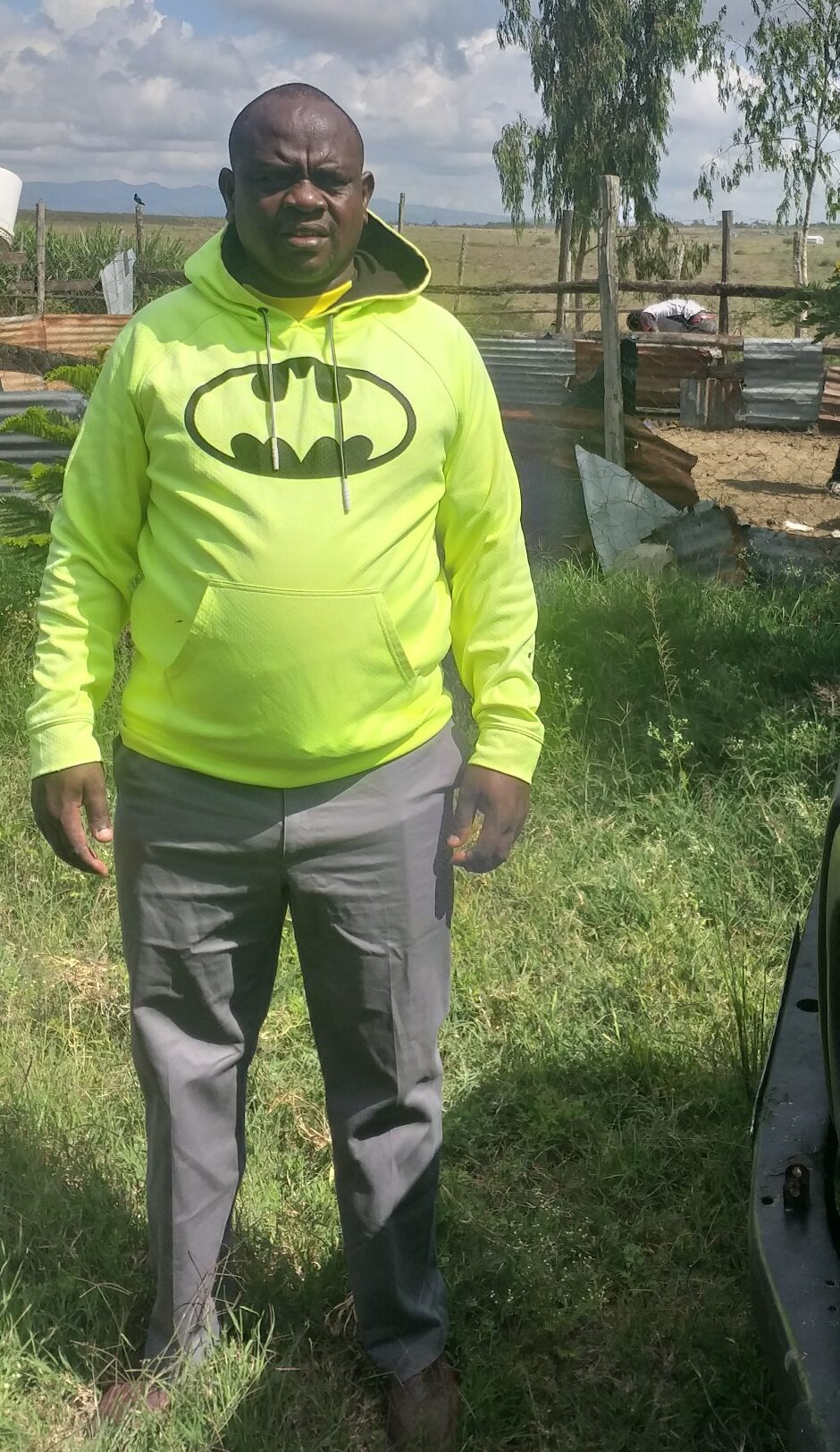
Not far from the last installation we did with Elvira Wolfer, out on the open plains of Emakoko lives Jackson Lankau Milaigat, much relieved now with the installation of our well reputed Light For Life's predator deterrent system.
Frequent visits by Lions and Hyenas and the recent and very tragic death of the little girl from a lion had added to his concerns for his livestock and his own safety. Now no Lions, Hyenas or Leopard will venture close to Jacksons humble homestead.
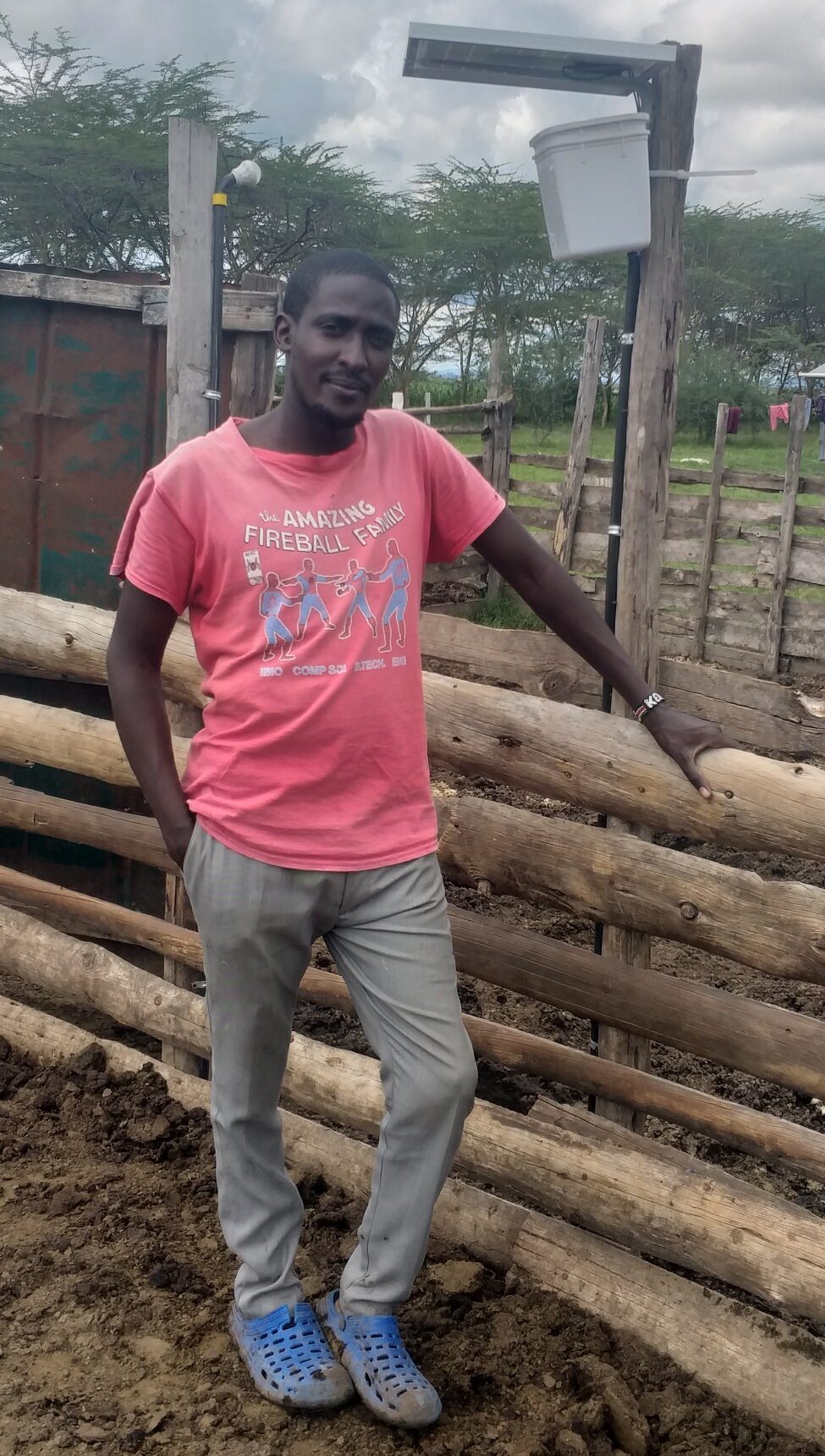
An early morning call for help, our reputation preceeds us. Kelvin Sentero spent last nigh, as is often the case chasing predators away from his livestock.The two lionesses then killed two cows in another nearby homestead I later learnt. Immediate response goes a long way in resolving human / wildlife issues and with funding from two special ladies I will prevent any retaliatory action being taken here.
Light For Life, Lion Conservation in Action.
No rain yesterday so was able to do another in this series of installations. Three nights in succession near Tuala, two lions harassed this corrugated sheep shed. "Prevention is better than cure" so Kennedy Oderio can now cease to worry.
All the light units had to be specially modified so as to be located on the inside, quite a job but very satisfying to know these lions will not be able to gain access to Kennedy's sheep. No Predation means no Retaliation. Win-Win.
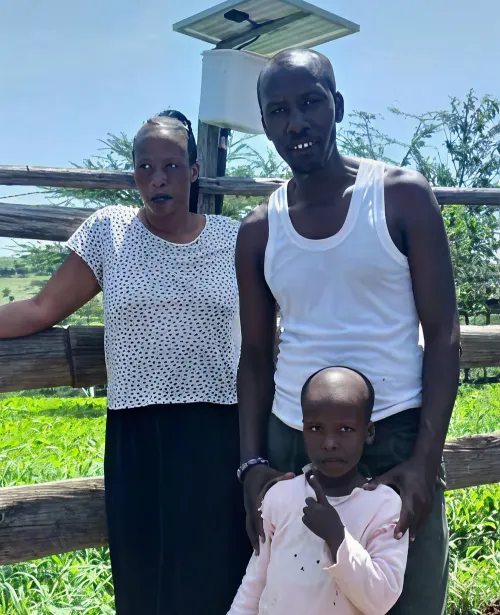
In this very rocky area on the Nairobi National Park boundary, lives Samuel Ole Kango and his family. Just three days ago they lost their favourite dog to a leopard who, alongside the frequent visits from both hyena and lions have seen very many of their sheep, goats and cows killed. This huge challenge will now be a past issue.
With funding from our kind supporter Sonja, we have installed one of my Light For Life's predator deterrent systems. This family will henceforth enjoy nights uninterrupted by hungry predators. May Josephine's Spirit watch over this family and bring them peaceful nights.
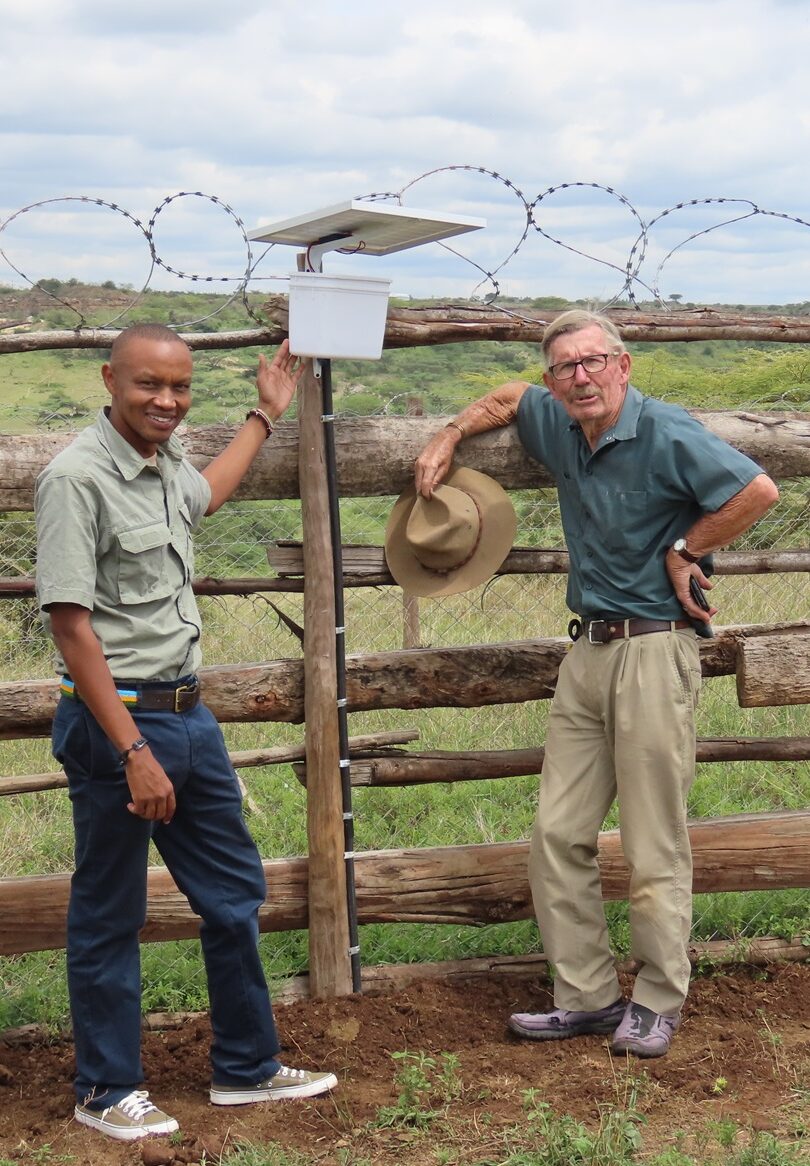
Wildlife is one of the big foreign currency earners in Kenya. Without wildlife tourism and hence income for many would collapse. But there are those who have wildlife in their home. Some try to protect themselves and their livestock, but predators are smart and often win. You might think this is a safe fence.
It isn't lions can jump surprisingly high and spotted hyenas dig their way under the fence.Once a predator gets into an enclosure and domestic animals can't run like wild prey does, the killing instinct doesn't stop until nothing moves. And that is causing immense losses to pastoralists.
To reduce the retaliation mood we decided to sponsor lights for a boma near Nairobi National Park.The team: David Mascall - the lion man, Onesmus ole Irungu, safari guide and me who is a mix of many things.
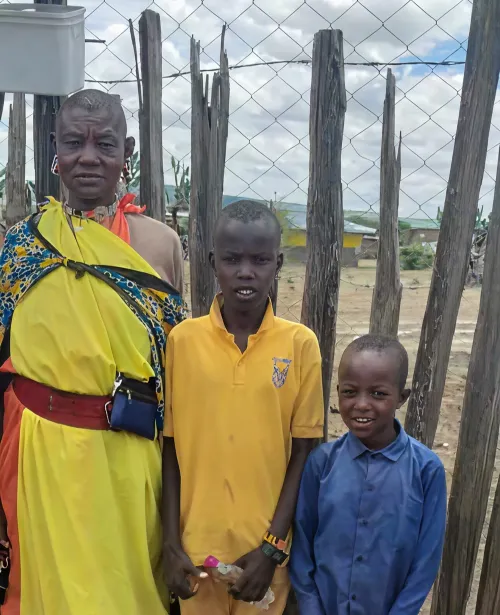
Desperate calls that this boma has been under attack three nights in a row. Light for Life, by funding through Lion Lovers is called to the rescue. James Selel, who's home is on the border of Simba Lodge area and the Maasai Mara Reserve, not far from Sekenani, has repeatedly had to chase away both the lions, hyenas and also leopard. Over thirty assorted livestock, mostly cows have been killed in his boma.
Despite putting corrugated sheeting top and bottom AND chain link over the top, nocturnal predators have still managed to gain access. Thank You LION LOVERS for funding, the Light for Life predator entry deterrent system will now end this nightmare for James, his wife Nelly and his family.
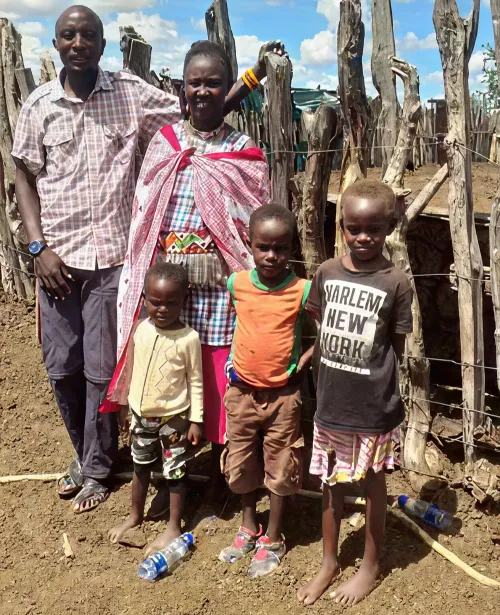
The homestead of Stanley Kutiti and his family is way out in an area known as Zebra Plains away from the Maasai Mara Reserve. Especially since the departure of the wildebeest migration, the lions constantly target his livestock enclosure and most nights are spent with his torch and spear immediately at hand.
With the Light For Life's predator entry deterrent system now in place, Stanley will no longer have to be concerned at the sound of lions in the night but rest at ease and is very thankful of the donor’s wonderful kindness.
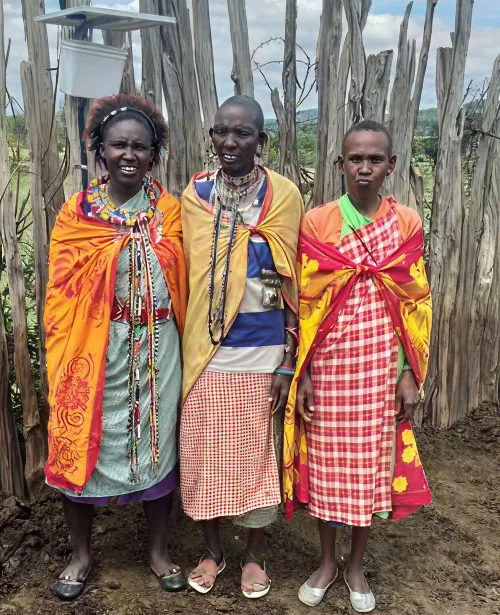
This, our fourth boma is on the border separating the Maasai Mara Reserve and the Sekenani area. Not surprising now with the absence of much natural prey species that raids on livestock have escalated. In just a few weeks nearly twenty assorted livestock have been killed by lions, leopard and hyenas. The sisters Kimpai, Jeninifer and Seleina Kimpai were having their livelihood decimated by nocturnal predation but now that is over. Thanks to LION LOVERS once again and the challenge for these ladies is over. Thank you all that have contributed to this very worthwhile cause. Asante Sana.
© 2025 Light-For-Life. All rights reserved | Designed and Developed by Zen Stafford
